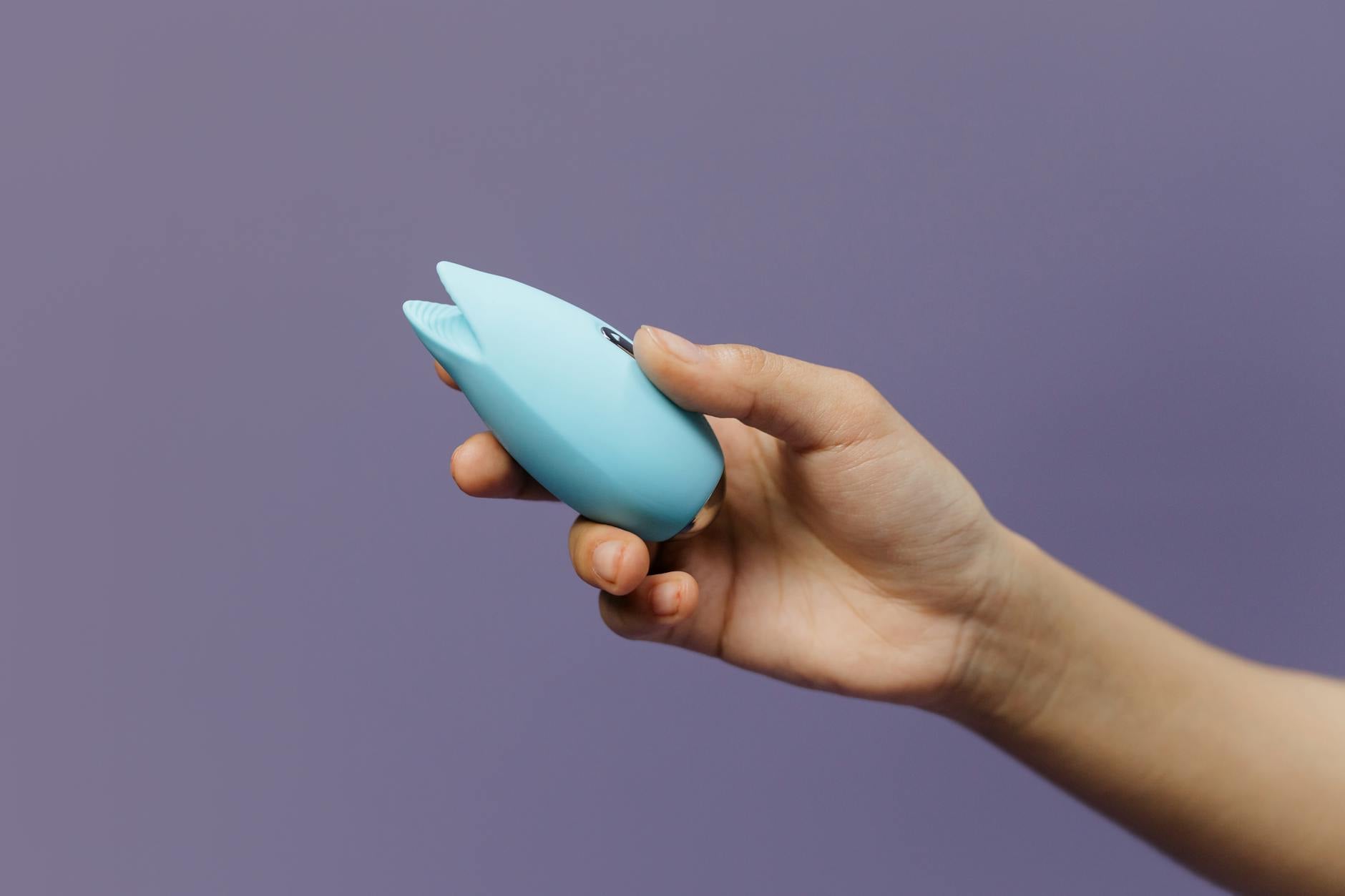
How Lemon Vibrators Work for Different Bodies and Sensitivities
Air-suction technology stimulates differently than traditional vibration. Here's what actually happens when you use a lemon clitoral vibrator, and why your body type matters.
Let's be real. Most people think a vibrator works one way: it vibrates, you feel it, done. But lemon vibrators work completely differently than the traditional vibrators you might be picturing. Understanding that difference changes everything about how you use them and whether they'll work for your body.
A lemon clitoral vibrator uses air-suction technology instead of mechanical vibration. Here's what that means: it creates a gentle pulsing suction around the clitoris, rather than buzzing against it directly. The sensation is more like a soft pulse expanding and releasing rather than a rumbling tremor. For many people, that distinction is the difference between "this feels okay" and "oh my god, this is my new favorite thing."
When you press a traditional vibrator directly onto your clitoris, the vibration stimulates the nerve endings through mechanical movement. It's direct, focused, and can be intense quickly. Air-suction technology works differently. It stimulates the same nerve endings but through rhythmic pressure changes instead of back-and-forth movement. Think of it less like being touched and more like being gently squeezed and released in a pattern.
The rhythm and intensity matter here. Most lemon vibrators, including models from Hello Nancy, work through a series of preset patterns or intensity levels. You might start with a slow pulse, then move to a faster rhythm, or explore rippling patterns that shift the pressure point slightly. The clitoris responds to each of these differently depending on your body's sensitivity and arousal level.
Why does this matter? Because direct vibration can feel overwhelming for people with high sensitivity. The air-suction approach gives you stimulation without the aggressive buzz factor. You're still getting intense sensation, but it's distributed differently across the tissue.
If you've tried traditional clitoral vibrators and found them too intense, too numb, or just uncomfortable, a lemon vibrator might be the shift you need. Here's who I most often see reporting success with this technology.
People with a hypersensitive clitoris often find traditional vibrators unbearable. The sensation goes from "nice" to "too much" in about thirty seconds, and then there's no in-between. Air-suction technology allows gradual ramping. You can start at the gentlest setting and adjust your position slightly to control exactly how much pressure you want. This matters. A lot.
Anyone managing vaginismus or pain conditions can also benefit. Because the stimulation is less direct and intense, it creates less anxiety response in bodies that are used to tensing up. This doesn't replace therapy or medical treatment, but it can be a useful addition if you're working through sensitivity issues with a professional.
People who are hard to orgasm with traditional methods sometimes find lemon vibrators unlock something different. The change in stimulation pattern can actually create new neural pathways. Your body gets bored; a different sensation pattern wakes it up. That's not magic. That's neurology.
Anyone with a lower pain threshold or who bruises easily during sex will often find air-suction feels less aggressive. It's still powerful, but it doesn't feel like pressure in the same way.
Your clitoris isn't one size or shape. There are external variations that matter. The glans (the visible part) can be smaller or larger, more or less protected by the hood, more or less exposed depending on your position and arousal. All of that affects how an air-suction vibrator feels.
If your clitoral glans is smaller or tends to retract under the hood, you might find you need a lemon vibrator with a narrower opening to get consistent contact. Larger glans? You might prefer the coverage of a wider opening. Neither is better. They're just different anatomical realities that change the user experience.
Internal sensitivity also varies. Some people have highly sensitive tissue that responds to the slightest pressure. Others need deeper, more sustained stimulation to feel anything. Air-suction technology scales across both. A gentle, slow pattern might be perfect for someone with high sensitivity. A faster rhythm or stronger suction intensity works for someone who needs more input.
Arrangement of the erectile tissue matters too. The clitoris has roots that extend into the body, and those roots vary in structure and depth. Some people's pleasure pathways light up with shallow stimulation. Others need you to engage the deeper tissue. Understanding your own anatomy takes experimentation, but once you know what works, you can choose the right tool.
Most lemon vibrators have multiple settings, typically ranging from 1-10 or in preset patterns. Here's how to use them correctly so you're not getting frustrated.
Start at the lowest setting. Not because you're gentle or inexperienced, but because you're learning your body's response to this new sensation type. Air-suction feels unfamiliar the first time. Your nervous system needs a moment to recognize it as pleasurable rather than strange. Give yourself two or three minutes at level 1 or 2 before moving up. Seriously. This changes the whole experience.
Warm up your body first. The clitoris is more responsive after you've been aroused for ten to fifteen minutes. Lemon vibrators work best when blood is already flowing to the area. Skip straight to the toy when you're completely unaroused, and you'll wonder what the fuss is about. Use it after some foreplay or solo exploration, and everything shifts.
Don't assume you need maximum intensity. One of the biggest mistakes I see is people cranking the vibrator to level 8 because they think more power equals more pleasure. Not true. Many people find their sweet spot at level 3, 4, or 5. Intensity should enhance your pleasure, not override it.
Experiment with angle and positioning. Lemon vibrators aren't one-size-fits-all in how you hold them. Slight changes in angle change which nerve endings you're stimulating. Direct contact on the glans feels different than stimulating the area around the shaft. Try moving it slightly left or right, adjusting how much of the cup opening is engaged, even shifting your pelvis. That exploration is part of learning what works for your specific body.
If you have sensitive skin generally, your clitoris is probably sensitive too. That doesn't mean you don't deserve pleasure. It means you need a tool that respects that sensitivity.
Traditional vibrators create friction and sustained direct pressure. For sensitive skin, both of those can lead to irritation, rawness, or that awful overstimulation feeling where touching your clitoris becomes uncomfortable rather than pleasurable. Air-suction technology avoids both. There's no friction because there's no back-and-forth movement. The pressure is rhythmic but not constant.
You also get a natural buffer. The cup opening of a lemon clitoral vibrator creates a tiny seal of air and skin, which distributes the sensation differently than a vibrating bullet pressed directly onto tissue. For some bodies, that buffer is the entire reason the experience works.
Honestly, the best way to know is to try one. But here are the signs that suggest it'll be a good fit before you invest.
You've tried traditional vibrators and they've been either too intense or not intense enough, but nothing in between felt right. That frustration often resolves with air-suction technology because you can dial in much finer gradations of stimulation.
You like the idea of toys but worry about irritation or sensitivity issues. Air-suction is gentler on tissue because it distributes stimulation differently.
You're managing a pain condition or pelvic floor tension and you want stimulation that won't trigger tightness. The rhythmic suction of a lemon vibrator can actually help some people relax tension rather than increase it.
You're curious about new sensations. Even if traditional vibrators work fine for you, trying something different can open up new pleasure pathways. The brain gets accustomed to one type of stimulus. Switching it up sometimes creates more intense or interesting responses.
You've read about lemon vibrators or Hello Nancy and thought "huh, maybe." That curiosity is often your intuition flagging that this might work for your body. Trust it.
Yes, with some caveats. Vaginismus is a involuntary tightening of the pelvic floor, usually in response to anxiety about penetration or pain. A clitoral vibrator doesn't involve penetration, so it sidesteps that trigger for many people. Air-suction technology is often easier to tolerate than traditional vibration because it feels less aggressive. That said, if you're actively working through vaginismus, check with your pelvic floor physical therapist before adding any toy to your routine. They can help you figure out how to use it in a way that supports your healing rather than triggers tension.
Not inherently. What matters is cleaning any toy properly before and after use. Lemon vibrators are usually silicone, which is non-porous and cleans easily with warm soapy water or a toy cleaner. The mechanism doesn't involve moving parts that collect debris the way some traditional vibrators do. For people managing recurring infections or sensitivity, that can be relevant, but the hygiene difference comes down to materials and cleaning habits, not the suction technology itself.
The stimulus type is just different. A traditional vibrator sends rapid vibrations through direct contact. A lemon vibrator creates rhythmic pressure changes through suction. Your nervous system interprets these differently. Some people's bodies respond much better to rhythmic pressure than vibration. Others have the opposite preference. It's not that one is better. They're just different tools for different nervous systems.
Sexual numbness from medication is real and frustrating. Some people find that a different stimulus type, like air-suction, cuts through numbness better than traditional vibration. That doesn't always work, but it's worth trying if you're experiencing medication-related sensitivity loss. Talk to your prescriber about the numbness. Sometimes a different medication or dosing helps. But in the meantime, experimenting with lemon vibrators might reveal sensations you weren't finding with other toys.
This depends entirely on your body and mental state. Some people feel pleasure immediately because the sensation just clicks for them. Others need five to ten minutes of warm-up, exploration of different settings, and adjustment of position and angle. Give yourself at least three or four sessions before deciding whether it works for you. Your body needs time to learn a new type of stimulation and your brain needs time to relax into the experience. Anxiety kills pleasure. Patience builds it.
Most people can use a lemon vibrator safely, but check with your doctor if you have a pacemaker or implanted electrical device, as vibration can interfere. If you have a vulval condition like lichen sclerosus or lichen planus, consult your dermatologist before using any toy. If you're managing pain or pelvic floor dysfunction, your physical therapist can advise on whether and how to use toys as part of your healing. This isn't about the lemon vibrator specifically. It's about making sure any toy you use supports rather than complicates your health.
Lemon vibrators work differently because they use a different mechanism. That difference matters for people whose bodies don't respond well to traditional vibration. If you're sensitive, if you've struggled to find a vibrator that feels right, or if you're just curious about what air-suction technology does, they're worth trying. Your pleasure matters. So does finding the right tool.