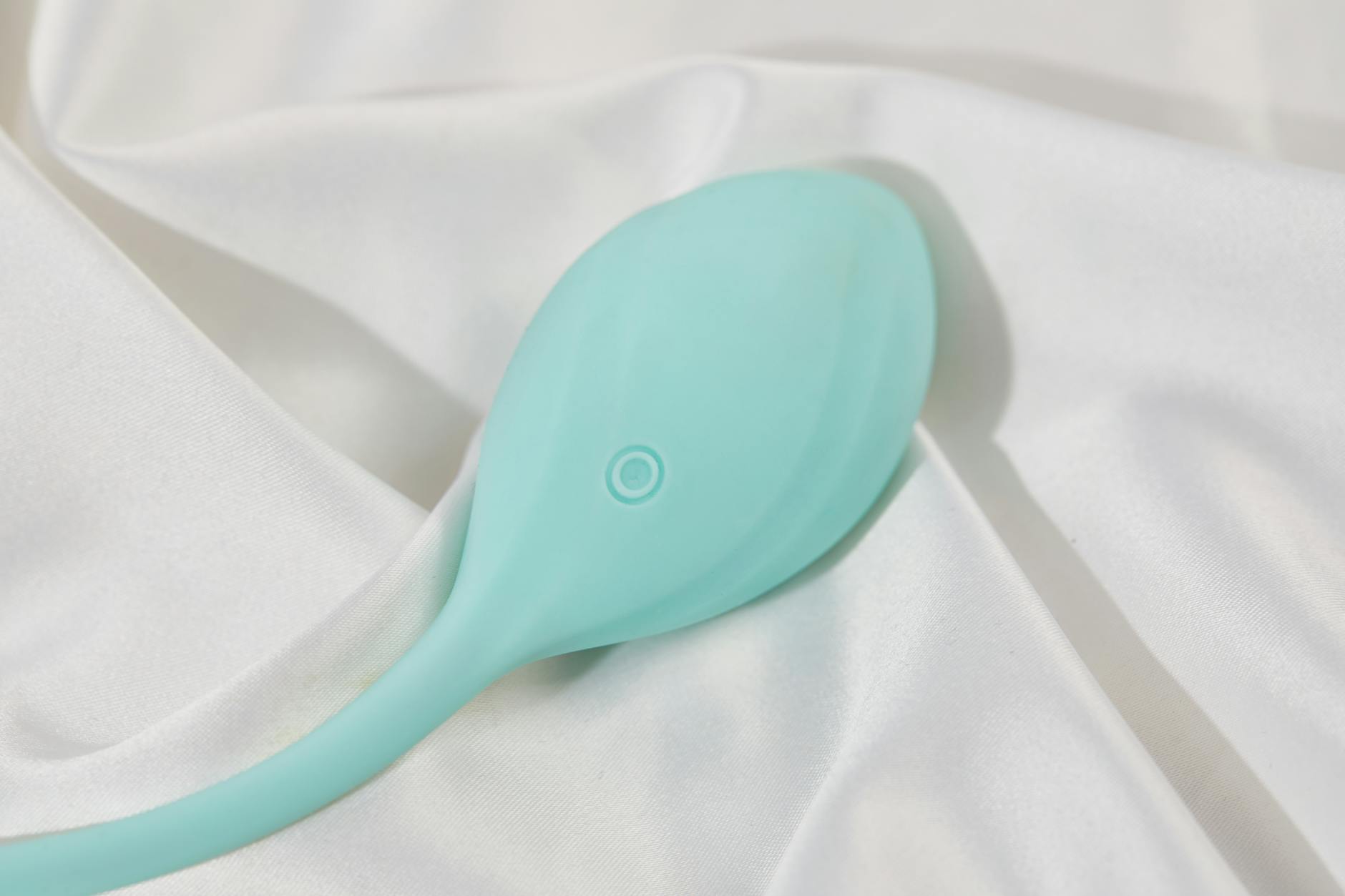
How to Use a Lemon Vibrator When You're Recovering From Birth or Postpartum Trauma
Your body has been through something seismic. Reconnecting with pleasure doesn't mean rushing. Here's how to use a clitoral vibrator safely in the months after birth.
People don't talk much about pleasure after birth. What they talk about is bleeding, pain, exhaustion, and whether your body will ever feel like yours again. The pleasure conversation gets filed under "eventually," filed away like it's something that'll sort itself out on its own.
That's not to say pleasure is ruined. It's to say that pleasure after birth is a skill you need to relearn, often from scratch, and it requires intention. The lemon vibrator works particularly well for this process because air-suction technology doesn't demand the same raw sensitivity that other vibrators do. You get stimulation without friction on healing or tender tissue.
Vaginal delivery tears tissue. Cesarean surgery severs abdominal wall layers. Both change how your body feels. Even if you avoid major tearing, hormonal shifts after birth (especially while breastfeeding) tank estrogen production. Combine that with sleep deprivation, the physical weight of holding a baby for hours, and the mental load of early parenting, and your nervous system is basically running on fumes.
Your clitoris hasn't forgotten how to feel pleasure. Your brain hasn't either. What's changed is the threshold for overstimulation and the amount of safe, healing touch your body can actually accept.
Doctors typically clear you for penetrative sex at 6 weeks postpartum, whether vaginal or cesarean. But pleasure doesn't have to be penetrative, and it doesn't have to start at 6 weeks.
Honestly, ask yourself these things first.
Can you sit down without wincing? Can you walk without focusing on your stitches or incision? Have you had at least one full night of sleep in recent memory? If the answer to all three is no, it's too soon. Your body is still in acute recovery mode. Pleasure requires a nervous system that isn't fully mobilized in survival.
If you've had a couple of weeks where the pain is manageable (3 or lower on a pain scale), you've slept at least a few hours in a row, and your bleeding has lightened significantly, you're in a better place to explore.
Clitoral vibrators, especially ones that use air-suction technology like the Lem, work differently than traditional vibration. Instead of shaking the tissue directly, suction pulls gently on the area, stimulating the nerves without requiring that tissue to be fully tough or insensitive yet.
Why this matters for postpartum bodies: your clitoris has a ton of nerve endings, but after hormonal shifts, that tissue becomes thinner and more reactive. Traditional vibration can feel either too intense or deadening. Suction gives you a middle path. It's gentler on tender areas while still creating the kind of stimulation that actually registers.
Week 2 to 3 postpartum: solo exploration, no vibrator yet. Maybe just gentle touch in a warm shower, just to know your own body can feel sensation without pain. No pressure for pleasure here. You're just gathering information.
Week 4 to 6: if things feel okay, introduce the Lem at its lowest settings. Start with just holding it near your body for a few seconds. You're not aiming for orgasm. You're checking whether air suction on your clitoris creates pleasure or pain. If it's pleasure, great. If it's too intense, stop.
Week 8 and beyond: you can play longer if the mood strikes, but "longer" might mean 5 minutes, not 20. Your body has been through major trauma. Pleasure isn't a sprint.
After birth, your body is no longer yours alone. A baby is constantly asking for access. A partner might want physical connection. Your doctor is checking healing. In the middle of all that, claiming 10 minutes with your own pleasure feels wildly selfish.
It's not.
In fact, gentle solo pleasure in the weeks after birth does something crucial. It reminds your nervous system that your body belongs to you. That sensation can feel good for reasons other than survival. That you're still a person with desires, not just a milk machine or a wound that's trying to close.
Start with that intention. Not "I should orgasm," but "I'm checking in with what my body wants." The orgasm might come. It also might not. Both are fine.
Postpartum anxiety makes pleasure hard. Intrusive thoughts about your baby, your health, or your body can activate mid-orgasm, killing the whole thing. If that's happening, you're not broken. Your nervous system is running a very reasonable protection protocol.
In this case, the lemon vibrator can still help, but context matters more than the tool. You might need:
A locked door (no baby monitor anxiety)
Complete physical privacy
Shorter sessions (5 to 8 minutes max)
A partner or friend you trust handling the baby so your brain can actually relax
If intrusive thoughts are persistent and strong, talk to a therapist who specializes in postpartum mental health. Pleasure is one path back to your body. Professional support is another. Both matter.
If you're in a relationship, your partner is probably ready to reconnect before you are. That's normal. It can also create friction.
The conversation is worth having early: "I need solo time to figure out what my body feels like now. That's not rejection. It's recovery."
When you do feel ready to involve a partner, you might start with them holding the Lem while you direct the pace. That removes the physical labor of reaching and holding, which matters when your core is still healing. It also gives your partner an active role in your pleasure that isn't about penetration.
Some people find this reconnection moment is actually when pleasure becomes good again. Your partner sees your body in recovery and shows up with gentleness. That kind of attention can be powerful.
Don't let anyone pressure you into a timeline that isn't yours. Six weeks cleared medically doesn't mean six weeks is right for you. Some bodies need twelve weeks. Some need six months.
Don't expect pleasure to feel the same as it did before. It won't. Different isn't worse. It's different. Sometimes it's richer because you've been through something monumental together.
Don't use pleasure as a way to prove you're "fixed." You're not trying to prove anything. You're recovering.
If using the lemon vibrator causes sharp pain (different from the dull ache of healing), stop. If there's new bleeding or discharge after pleasure, hold off and call your provider. If you're experiencing depression or anxiety that makes the idea of pleasure feel completely inaccessible, talk to someone. That's postpartum mental health at work, and it deserves attention separate from pleasure itself.
You're not resetting your recovery by pausing solo pleasure. You're honoring what your body is actually telling you.
Yes, but timing matters differently. Abdominal surgery needs about 8 weeks before you're genuinely cleared for anything, and your pain threshold might be higher than with vaginal birth. Start even slower. Air-suction vibrators like the Lem are safer than traditional wand vibrators because they don't require the same abdominal bracing to use comfortably.
No. Oxytocin is released during pleasure and during breastfeeding, but using a clitoral vibrator won't interfere with milk production or letdown. The two processes are happening in different parts of your body and nervous system, even though they both involve hormones.
Yes. Postpartum numbness or reduced sensation in the vulva or clitoris is common, especially while breastfeeding. Estrogen is responsible for the suppleness and sensitivity of that tissue, and breastfeeding suppresses estrogen hard. The sensation usually returns as you wean or as hormones stabilize, usually within months. If it persists for a year or longer, mention it to your provider.
Direct and kind works: "I need solo time with my body right now. It's not about you. It's about me remembering what feels good when the pressure is off." A partner worth keeping will respect that. If they push back, that's a relationship conversation, not a pleasure conversation.
Completely normal. Your nervous system has been through a lot. Pleasure can release emotion that's been bundled up. Crying doesn't mean you should stop. It usually means something in you needed to let go. Let it happen.
That varies wildly. For some people, by month four or five, pleasure is genuinely good again. For others, it takes a full year or longer. The lem vibrator can help you check in regularly without pressure, but patience with your own timeline is the real tool here.
Your body just did something extraordinary. It grew a human. Recovering from that process is not a sprint or a checklist. Pleasure isn't a sign you're fully healed. It's one of the many ways your body slowly begins to feel like it belongs to you again.
The lemon vibrator can be part of that. But it's not the whole thing. Healing is. Rest is. And your own permission to take all the time you need is.