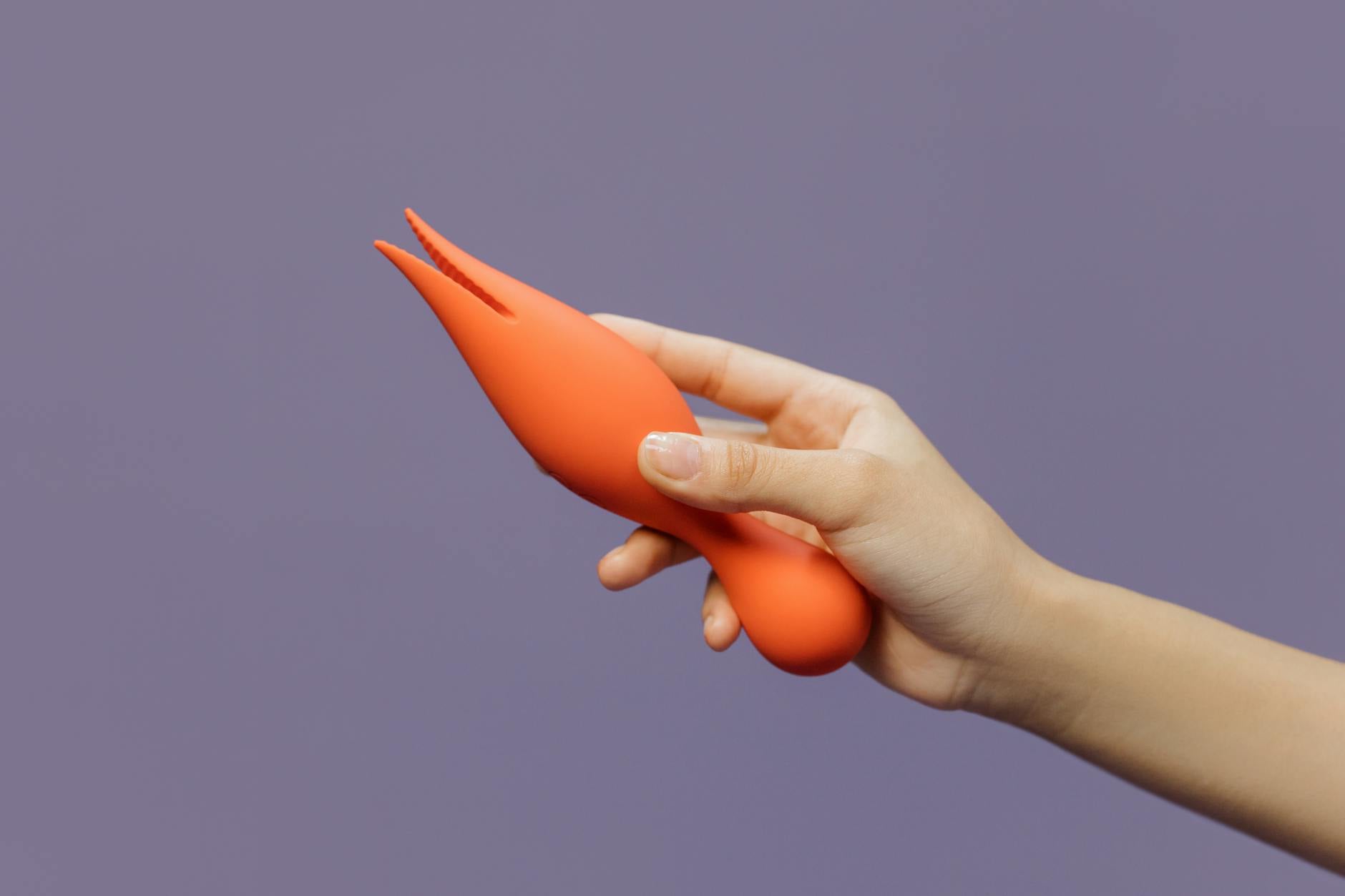
You can't feel much down there. Maybe nothing at all. Touch, stimulation, even penetration registers as pressure or coldness rather than pleasure. It's like your body went quiet, and every tool, every technique, every partner suggestion bounces off that wall of nothing.
Numbering can come from several places. Antidepressants (especially SSRIs) numb sensation directly by blunting nerve sensitivity. Pelvic floor tension does the same thing. Birth control can reduce blood flow, which means nerves don't get the oxygen they need to fire. Cycling through intense vibrators without rest overstimulates nerves and teaches them to tune you out. Anxiety and dissociation make your brain literally disconnect from physical signals. Hormonal shifts (estrogen changes, especially) reduce the richness of sensation across genital tissue.
Here's what's true: none of these mean you've permanently lost the ability to feel. The nerves are still there. The pathways are still there. What's happened is that the signal got weak or jammed. A lemon vibrator's suction design does something different from a traditional vibrator. Instead of the direct percussion that can fatigue overworked nerves, suction creates rhythmic pressure that recruits sensation from deeper tissue layers. This recruits fresh nerve endings and, over weeks, retrained your nervous system to recognize pleasure again.
A lemon vibrator creates a gentle suction and release pattern. This rhythm mimics the way nerves naturally fire. It's closer to how human touch works than a vibration alone.
When you're numb, you don't need stronger stimulation. You need different stimulation. A normal vibrator going at maximum speed feels like a phone on silent in your pocket. The lemon sucker method reaches deeper. The suction activates a broader network of nerve clusters. You're not trying to blast through numbness. You're inviting sensation back by speaking its language.
Start low and slow. Set the lemon vibrator to the lowest suction setting. This is not the time to prove anything. Low suction for 2-3 minutes helps nerves wake up without overwhelming them. You're teaching your body that sensation is safe again.
Map your body first. Before jumping to what worked before, spend time exploring. The clitoris isn't one zone. The upper part, the sides, the internal structure. Different areas have different nerve density. Numbness is often patchy. You might feel more on the left side or the upper shaft. Notice where sensation is brightest, even if it's subtle. Start there.
Use lubricant generously. This sounds basic, but it matters. Proper lubrication reduces friction and lets the suction work cleanly. The sensation feedback improves when the device isn't catching or dragging. Water-based lubricant is standard.
Build the pattern slowly. After 2-3 minutes at the lowest setting, move to setting 2. Spend another 2-3 minutes. This isn't about orgasm. This is about attention. The goal is to train your nervous system to recognize "stimulation plus pleasure" again. Orgasm might come, or it might not. Both are fine. The win is sensation returning, not climax.
Do this for 10-15 minutes, then stop. Rest is when the real work happens. After stimulation, your nervous system consolidates what it learned. Stopping before you're exhausted means your body isn't in defensive mode. You're signaling safety.
Repeat 3-4 times per week. Not daily. Daily can create habituation, where nerves tune out again. Spacing sessions lets your nervous system stay engaged. Most people report noticeable shifts in sensation within 2-4 weeks at this cadence.
Your brain learns that this stimulus feels good and is safe. That's the entire mechanism. With repeated, non-punishing sensation, your nervous system stops dampening signals. Blood flow increases. Nerve endings become more responsive. The clitoris literally becomes more sensitive.
This can feel subtle at first. Maybe you notice warmth where there was numbness. Maybe tingling. Maybe just a shift in pressure recognition from "cold" to "something is touching me." All of these are the system rebooting. They're not small. They're the foundation of everything that comes next.
If you're rebuilding sensation with a partner, they need to understand this isn't about them or their skills. Numbness isn't a reflection on how much you want them or how attracted you are. This is a nervous system recalibration. The best thing a partner can do is give space for self-directed exploration first. Your lemon vibrator, alone, 3-4 times per week. Once sensation starts returning, bring them in gradually. Ask them to mirror what works. Slow touch, patient observation, permission to stop whenever.
If you've been consistent for 8 weeks and nothing has shifted, get a doctor's opinion. Sometimes numbness signals a medication interaction that needs tweaking. Sometimes it's pelvic floor tension that responds to physical therapy. Sometimes it's hormonal. A gynecologist who specializes in sexual medicine can run basic testing and either confirm that this is a nervous system thing (which takes longer but responds) or point to a concrete medical cause that has a faster fix.
Most people who rebuild sensation after numbness report that their orgasms feel different afterward. Not necessarily stronger. Different. More nuanced. They notice texture and rhythm in ways they didn't before. They become attuned to what their body actually wants rather than what they think it should want. That clarity is worth the slow rebuild.
Q: Will my numbness get worse if I keep using vibrators?
No, but traditional vibrators can delay recovery. If you're using a high-speed, direct-contact vibrator daily, you're asking fatigued nerves to keep firing. Switching to a lemon sucker with intentional rest days actually reverses that pattern.
Q: How long does sensation recovery usually take?
Most people notice shifts in 2-4 weeks. Full recovery (where sensation feels normal again) typically takes 6-12 weeks depending on the cause. Medication-induced numbness takes longer than pelvic tension numbness.
Q: Can I use a lemon vibrator if I'm currently on antidepressants?
Yes. In fact, rebuilding sensation while medicated is important because it resets your baseline. Once you establish that pleasure is possible on the medication, you keep that sense of capacity even if sensation shifts again.
Q: Is the suction pattern of a lemon vibrator really that different from regular vibration?
Yes. Suction creates a wider pressure field and activates deeper nerve layers. A vibrator on the clitoris is usually surface-focused. A lemon vibrator recruits sensation from the clitoral bulbs and internal structures. That difference is why people with numbness often respond better to it.
Q: Should I use the lemon vibrator alone or with a partner?
Start alone. Solo exploration removes performance pressure and lets your nervous system focus on sensation without the cognitive load of someone else's presence. Once sensation returns, bring your partner in.
Q: What if I'm numb and also have reduced sensitivity from hormonal birth control?
These often compound each other. The approach is the same. Lemon vibrators, low stimulation, consistent spacing, patience. Many people find that once sensation returns from the vibrator work, hormonal shifts feel less devastating because the baseline is stronger.
Sensation isn't permanent. It's a skill your nervous system learns. Numbness isn't a diagnosis. It's a signal that something shifted. Using a lemon vibrator isn't a workaround. It's a method for teaching your body that pleasure is available again. The rebuild takes patience. The payoff is feeling fully present in your own skin again. That's worth the slow work.
If you're ready to start exploring sensation recovery and want guidance on choosing the right approach for your body, get in touch with our team. We're here to help you find what works.