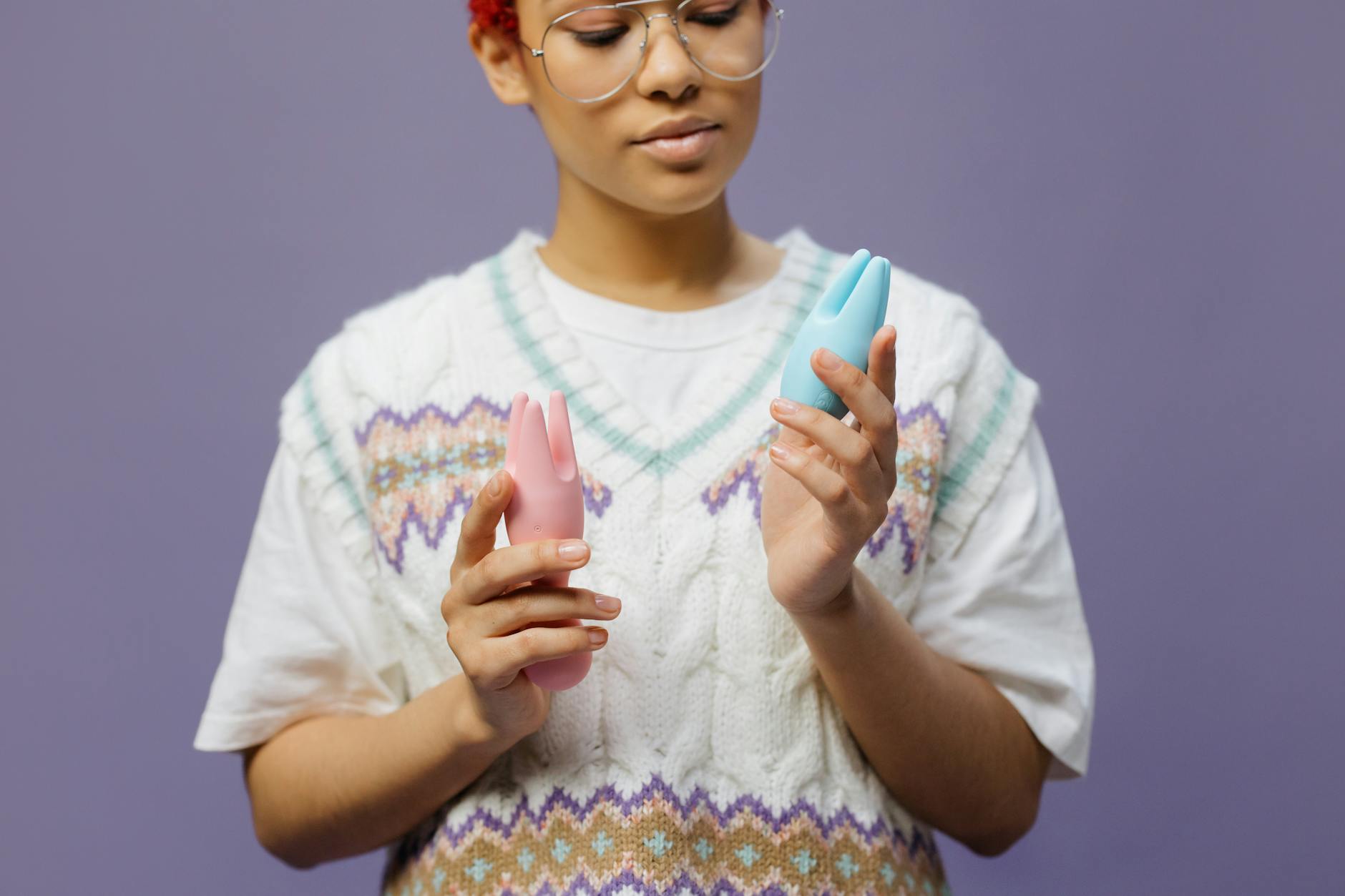
Reduced sensitivity during sex shows up in a lot of different ways. Sometimes it's a complete lack of feeling. Sometimes it's there, but distant—like you're watching pleasure happen to someone else. Sometimes specific sensations just vanish while others stay intact. What matters is that you're here, trying to understand it, which means you haven't written off pleasure as impossible. That's the right starting point.
Reduced sensation during intimacy is wildly more common than anyone talks about. It shows up after medication changes, during high stress, after major life transitions, sometimes for no obvious reason at all. The good news is that lemon vibrators—specifically clitoral vibrators built on air-suction technology—work differently than traditional vibration, which makes them weirdly effective for people experiencing numbness.
A typical vibrator relies on rapid oscillation. Your nerves have to be fairly responsive to register that movement as sensation. When sensitivity is reduced, that signal gets muffled or lost entirely. You're turning up the intensity, feeling nothing, getting frustrated, and assuming the problem is permanent. It's not.
The reason lemon vibrators (and specifically the suction-based design of tools like the Lem) can cut through numbness is mechanical. Air-suction technology creates a gentle pulsing seal that draws tissue upward and releases rhythmically. This isn't vibration. It's a different kind of stimulation that engages deeper nerve pathways and can wake up sensation that traditional vibrators miss entirely. For people with reduced sensitivity, that distinction is everything.
First, intensity matters differently. You might assume you need maximum power. Actually, you need the right type of sensation at a moderate intensity. Hammering away at setting 9 out of 10 on a bullet vibrator creates fatigue without pleasure. A lemon clitoral vibrator used at medium suction creates sustained sensation that your nervous system can actually register and build on.
Second, patience becomes your secret weapon. Numbness often means arousal takes longer to build. Budget 20 to 30 minutes instead of 10. Your body isn't broken—it's just asking for more time to warm up. This isn't a flaw. It's an invitation to slow down and actually feel what's happening instead of rushing toward an outcome.
Third, you'll probably discover new pleasure spots. When one area feels numb, the neighboring tissue often has heightened sensitivity. Your inner labia, the hood, the area just beside your clit. A lemon sucker vibrator is small and precise enough to explore these micro-zones without the bulk of a traditional wand. You're not looking for the exact same sensation you remember. You're mapping new territory.
Start with a clear head. Reduced sensitivity gets worse when you're anxious about it. Pick a time when you're not in your head about whether it'll work. This is an experiment, not a test you can fail.
Warm up your body first. Run a bath. Do some light stretching. Get your nervous system out of fight-or-flight mode. This activates the parasympathetic response that makes sensation possible. A cold, tense body registers very little. A warm, relaxed one registers everything.
Apply water-based lubricant generously. Reduced sensitivity often comes with reduced natural lubrication. This isn't about forcing arousal—it's about reducing friction so you can actually feel the stimulation instead of just the resistance. A good lube amplifies sensation rather than muffling it.
Begin on settings 1 or 2. If you're used to maxing out intensity, this will feel too gentle. That's the point. You're retraining your body to notice subtle stimulus. Start where you can clearly feel the pulsing. Spend 5 to 10 minutes there. Notice what happens.
Move slowly through patterns. Most lemon vibrators offer 3 to 5 different pulse modes. Don't jump between them constantly. Settle into one pattern for 3 to 5 minutes. Your body needs time to recognize the sensation and build arousal on top of it.
Okay, real talk. The first time you try this, you might feel nothing. Or you might feel a faint buzzing that doesn't lead anywhere. That's normal and doesn't mean the approach is wrong.
Reduced sensitivity usually didn't develop overnight. Recovery takes multiple sessions. Your nervous system is basically learning a new language. Show up two or three times before you decide it's not working. Most people notice a shift by session three or four.
If you're still not feeling it after five or six attempts, the issue might not be mechanical. It might be psychological (anxiety about whether it'll work is its own sensation killer), hormonal, or medication-related. That's when you loop in a lemon vibrator specialist or doctor who understands sexual health. There's no shame in that. Some reduced sensitivity needs clinical attention, not a better vibrator.
Reduced sensitivity often arrives with a story you're telling yourself about what it means. "I'm broken." "My body doesn't work anymore." "My partner will find someone else." These thoughts are louder than any vibrator, and they mute sensation faster than anything physical.
Before you use a lemon clitoral vibrator, you have to deal with the narrative. Get curious instead of ashamed. This is your body asking you for something different, not proof of dysfunction. People who rebuild pleasure after reduced sensitivity often describe the experience as more intentional than before. They're not autopilot. They're engaged.
If you're in a relationship, have a separate conversation with your partner about this. Not during intimacy. Not as a problem-solving session. Just: "My body's responding differently right now. I'm exploring what helps. I'm not looking for you to fix it—just to be patient while I figure this out." That conversation does more to restore pleasure than any device.
A lemon sucker vibrator is a powerful tool for reduced sensitivity, but it's not always the only tool you'll need. Consider adding:
A simple external massager (like a wand) to warm up your body and broader areas before moving to more targeted stimulation. The Lem works best when you're already somewhat aroused.
Mindfulness or breathwork practices. Reduced sensation often improves when you're grounded in your body instead of observing it from a distance. Five minutes of intentional breathing before you start makes a real difference.
Physical touch from a partner or solo exploration with your hands. The Lem isn't a replacement for touch. It's a tool that works best in combination with other forms of stimulation.
If numbness is linked to medication, check with your prescriber about timing. Some people find that using a lemon vibrator a few hours after taking their medication (rather than right before) changes the outcome. That's a conversation worth having.
Most people don't wake up one day with full sensation restored. It comes back in pieces. You'll notice warmth returning first. Then subtle pleasure. Then specific spots lighting up. This gradual return is actually better than sudden restoration—it means your nervous system is rewiring itself properly.
Keep using whatever's working (whether that's the Lem or another lemon clitoral vibrator) consistently. Sensation improves with repetition, not from sporadic attempts. That doesn't mean daily—two or three times a week is plenty. It means building a rhythm.
As sensation comes back, you'll probably notice your preferences shifting. You might find you actually prefer medium suction to high. You might discover that longer, slower sessions feel better than intense short bursts. Your pleasure is evolving, not returning to what it was. Meet it there.
This varies wildly. Some people feel a shift in their first or second session. Others need two to three weeks of consistent use before they notice a change. If your reduced sensitivity is tied to medication or hormonal shifts, it might take longer. The key is consistency, not intensity. Show up regularly and trust the process.
Yes, and you should. Numbness is actually an ideal situation for lemon vibrators because they work on a different principle than traditional vibrators. You might not feel much at first, but you're still providing stimulus that your nervous system is registering, even if your conscious brain isn't catching it yet. Keep going.
For reduced sensitivity specifically, air-suction technology (like the Lem) is usually more effective than traditional vibration. That said, it depends on what type of numbness you're experiencing. If you're numb everywhere, the suction works beautifully. If numbness is in a specific spot, you might benefit from exploring different sensations. Start with a lemon clitoral vibrator designed for suction.
Absolutely. SSRIs, antihistamines, blood pressure meds, and hormonal medications all impact sensation. Some people find that using a lemon vibrator at different times of day (relative to when they take meds) helps. Others find that a dosage adjustment, if that's an option, makes a bigger difference than any toy. This is worth discussing with your doctor.
Lemon vibrators can help with this, but they're not a substitute for therapy. Numbness rooted in trauma or anxiety usually improves when you address the root cause alongside any physical tools. That might mean therapy, somatic work, or other approaches to rebuilding pleasure after sexual trauma. A lemon clitoral vibrator is a supportive tool, not a cure.
Yes, and it can actually deepen intimacy. Some couples find that exploring together—with your partner watching, helping with placement, or just being present—creates connection and communication that pleasure solo never did. You're not hiding the numbness. You're inviting your partner into the process of rediscovering sensation together.
Reduced sensitivity is common, temporary (or manageable), and not a sign that pleasure is over for you. Lemon vibrators work because they approach stimulation differently than what you've tried before. They're precise, gentle, and effective at waking up sensation that numbness has muted. The Lem and other lemon clitoral vibrators are specifically designed to create the kind of stimulus that cuts through reduced sensitivity without overwhelming your nervous system.
Your job is to show up with patience, curiosity, and realistic expectations. This isn't about forcing yourself to feel the way you used to. It's about discovering what your body actually needs right now. That conversation starts with a good vibrator and continues with honest attention to what works. If you need support navigating this, reach out to us—we're here to help you rebuild pleasure on your own terms.