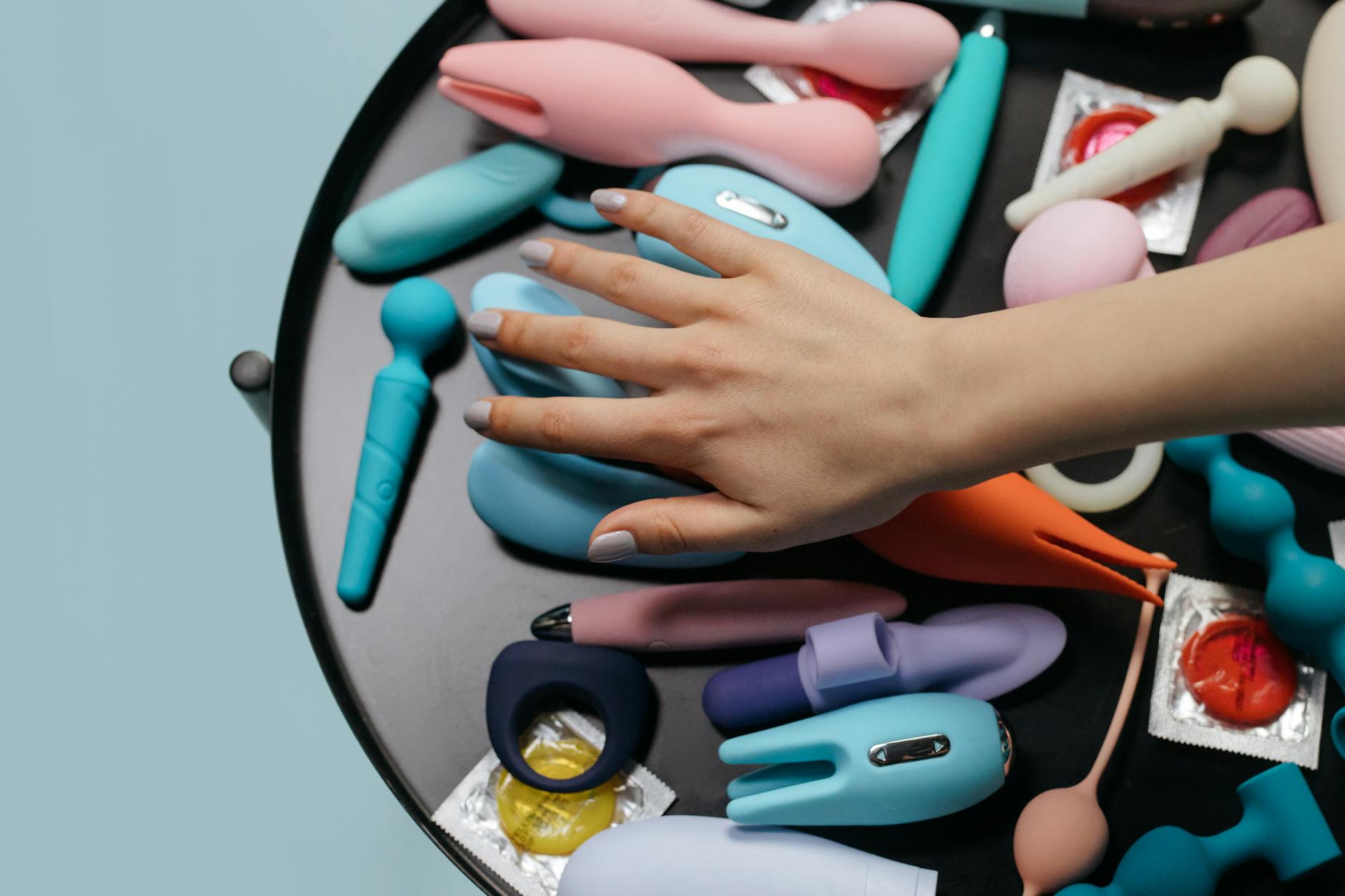
How to Use Lemon Vibrators When Lubrication Feels Uncomfortable or Irritating
Lube is supposed to feel good. If it's stinging, burning, or throwing off your pH, you're probably using the wrong formula. Here's how to find what actually works for your body.
Here's the thing: lubrication should enhance pleasure, not derail it. If you're reaching for lube before using your lemon clitoral vibrator and ending up with stinging, burning, or that weird itchy feeling that lingers for hours, the problem isn't that lube doesn't work. The problem is that you're using one that doesn't match your body's chemistry.
Most people grab whatever's convenient. That's how you end up with a product loaded with glycerin that feeds yeast, or propylene glycol that irritates sensitive tissue, or worse, something with fragrance that turns your whole genital area into a chemical irritation zone. Then they blame the vibrator or assume they're just "sensitive." You're not broken. You're just using the wrong formula.
Commercial lubes cut corners to keep costs down and shelf life long. Here's what commonly goes wrong.
Glycerin is everywhere. It's cheap, it feels slick, and it's in maybe 70% of mainstream lubes. Problem: glycerin is a sugar, and it feeds yeast and bacteria. If you're prone to yeast infections or bacterial vaginosis, glycerin-based lube is practically an invitation. Even if you're not, repeated use can shift your vaginal pH enough to cause irritation.
Propylene glycol causes delayed reactions. It's safe in small amounts, but many lubes use it as a primary ingredient. Some people develop contact dermatitis from it. The irritation might not show up until hours after use, which makes it hard to connect the dots to the actual culprit.
Osmolality matters more than you think. This is the concentration of dissolved particles in the lube. If it's too high, it pulls water out of your tissue, leaving everything dry and irritated. If it's too low, it can feel watery and break down too fast. Most mainstream lubes nail neither.
Fragrance and botanical extracts are red flags. "Natural" doesn't mean safe. Tea tree oil, lavender, aloe, vitamin E. These sound soothing until they're sitting on sensitive mucous membranes and causing contact dermatitis or microabrasions.
Before switching formulas, figure out what reaction you're having.
Immediate sting or burn during use usually means the lube is too thick or has an ingredient your tissue is reacting to right now. Stop immediately. The burning gets worse with friction, and using your lemon vibrator through it will increase the irritation. Rinse with warm water and give your tissue a break.
Itching or redness after sex (hours later) points to a pH mismatch or a delayed allergic response. This is often glycerin, propylene glycol, or a "natural" additive. Your vaginal pH is about 3.8 to 4.5. Lubes that are too alkaline can mess with your microbiome.
Yeast infection symptoms within 24-48 hours mean the lube fed something that shouldn't be fed. Stop using it immediately and see a doctor if symptoms persist. This is usually glycerin or other sugar-based ingredients.
Thick, cloudy discharge or weird odor can signal bacterial overgrowth triggered by lube ingredients. Again, typical culprits are glycerin and fragrances.
The best diagnostic move: switch to a minimal, hypoallergenic lube for one week and see if the irritation disappears. If it does, you've narrowed it down to the formula. If the irritation persists, something else is happening (hormonal shift, pelvic floor tension, a skin condition like lichen sclerosus). That's when you talk to a gynecologist.
Look for water-based lubes designed for sensitive skin, not general pleasure.
Hyaluronic acid formulas mimic your body's natural lubrication. They're thick enough to stay put, they won't mess with your pH, and they're safe for toys and condoms. They dry out faster than silicone lubes but rewet easily with a little water or saliva. Brands like Hyalo Gyn and Yes Water-Based are solid here.
Silicone-based lubes last longer and feel richer, but they can't be used with silicone toys like the Lemon Clitoral Vibrator. If you're using a silicone vibrator, silicone lube will degrade the material over time. Skip it.
Oil-based lubes are underrated for clitoral work. Coconut oil, jojoba oil, or a blend designed for intimate use won't irritate most people. They don't work with condoms or latex toys, but for solo play with a vibrator, they're often the gentlest option. Make sure it's food-grade or cosmetic-grade, never perfumed. One caveat: oils don't dry out, so you're going to feel slick for hours. Some people love this. Others find it uncomfortable.
Astroglide Gel and Sliquid Splash are two mainstream options that actually get the osmolality right and skip the problematic ingredients. They're not perfect, but they're better than most drugstore options.
The gold standard? Yes Yes lubricant. It's pH-balanced, it has zero irritants, and it's designed specifically for sensitive skin. It costs more, but for someone whose tissue is already irritated, the investment usually pays off immediately.
Formula is half the battle. Application matters too.
Less is more. You don't need to coat everything. A dime-sized amount on the head of the vibrator and a bit directly on your clitoris is enough. More lube doesn't equal more pleasure. It usually just gets sticky.
Apply to the toy, not just the skin. This gives you better control over how much you're using and keeps it from spreading everywhere.
Rewet as needed. Water-based lube dries out. That's normal. Add a tiny bit of water or saliva rather than more lube. This keeps your concentration of irritants low.
Wash immediately after. Use warm water and a fragrance-free cleanser. Lube left on your skin can irritate over hours. This is especially true for glycerin-based formulas.
Consider going without for solo play. Your own lubrication might be all you need. If you're using a lemon clitoral vibrator on its own without a partner present, you might not need additional lube at all. The suction action of the device itself creates a seal and generates moisture. Try one session without lube and see what happens.
If irritation persists even after switching to a hypoallergenic, minimal-ingredient lube, book a gynecology appointment. Persistent burning or itching can signal:
Vulvovaginal atrophy (thinning tissue from low estrogen). Lichen sclerosus or lichen planus (inflammatory skin conditions). Allergic contact dermatitis (not to lube, but to something else touching that area). Bacterial vaginosis or chronic yeast infections.
None of these are sexual shame. All are treatable. A good provider can give you topical options or systemic treatments that actually work.
Lube irritation is one of the fastest ways to kill desire. You start anticipating the sting instead of the pleasure, and your body clamps down in protection. Using your lemon vibrator becomes something you dread instead of something you enjoy.
Finding the right formula takes some experimentation, but it's worth the effort. Your pleasure matters, and you deserve lube that supports it instead of fighting against it. Start with a minimal, pH-balanced option. Notice what your tissue responds to. Adjust. And if something doesn't improve after a week or two, get professional eyes on it. That's what your doctor is there for.
Yes, if it's food-grade or cosmetic-grade coconut oil. Coconut oil is gentle and unlikely to irritate. The catch: it won't work with condoms or latex toys, and you'll feel slick for a while after. Wash up afterward to avoid leaving residue that might trap bacteria.
Absolutely. Water-based lube is safe for all toy materials. It dries faster than silicone lube, but that's not a drawback for most people using a vibrator. Just rewet with a bit of water if needed.
Feeling oily doesn't mean it's clean. If an oil-based lube irritates you, it might have additives. Check the ingredient list. Or, your skin might be reacting to the oil itself (rare, but it happens). Switch to a minimal water-based formula and see if that clears it up.
No, but you should be pickier about which one. Sensitive skin often means you need to avoid glycerin, propylene glycol, and fragrances. A hyaluronic acid formula or a minimal oil-based option usually works better than standard lubes.
Yes. Water-based lubes can develop mold or bacteria if stored in a warm, damp bathroom. Silicone and oil-based lubes last longer but can separate or oxidize. Store lube in a cool, dry place and replace it once a year if you're not using it regularly.
Yeah. Your natural lubrication is incredible, but it's not always enough for extended stimulation or certain kinds of play. Adding a bit of external lube doesn't mean something's wrong. It just means you're adjusting for what you're doing. That's smart, not a sign of dysfunction.