One of you is wired to wake up horny. The other needs to sleep for 10 hours before sex even enters the conversation. One partner travels three weeks a month. The other works nights. One of you has the energy for intimacy on Tuesday mornings, the other crashes by 9 p.m. Schedule mismatch is one of the most common—and most solvable—reasons couples stop having sex altogether.
The solution isn't begging each other to sync up. It's understanding that solo pleasure with a lemon clitoral vibrator isn't a replacement for partnered sex. It's a pressure valve. It's a way to stay connected to your own body while life is doing its thing. And if you frame it right, it keeps you both less resentful and more available when you DO align.
When you're waiting around for your partner to have energy, you eventually stop asking. When they're perpetually exhausted, they stop thinking of you as desirable and start thinking of you as one more demand. Both of those things kill intimacy faster than anything else.
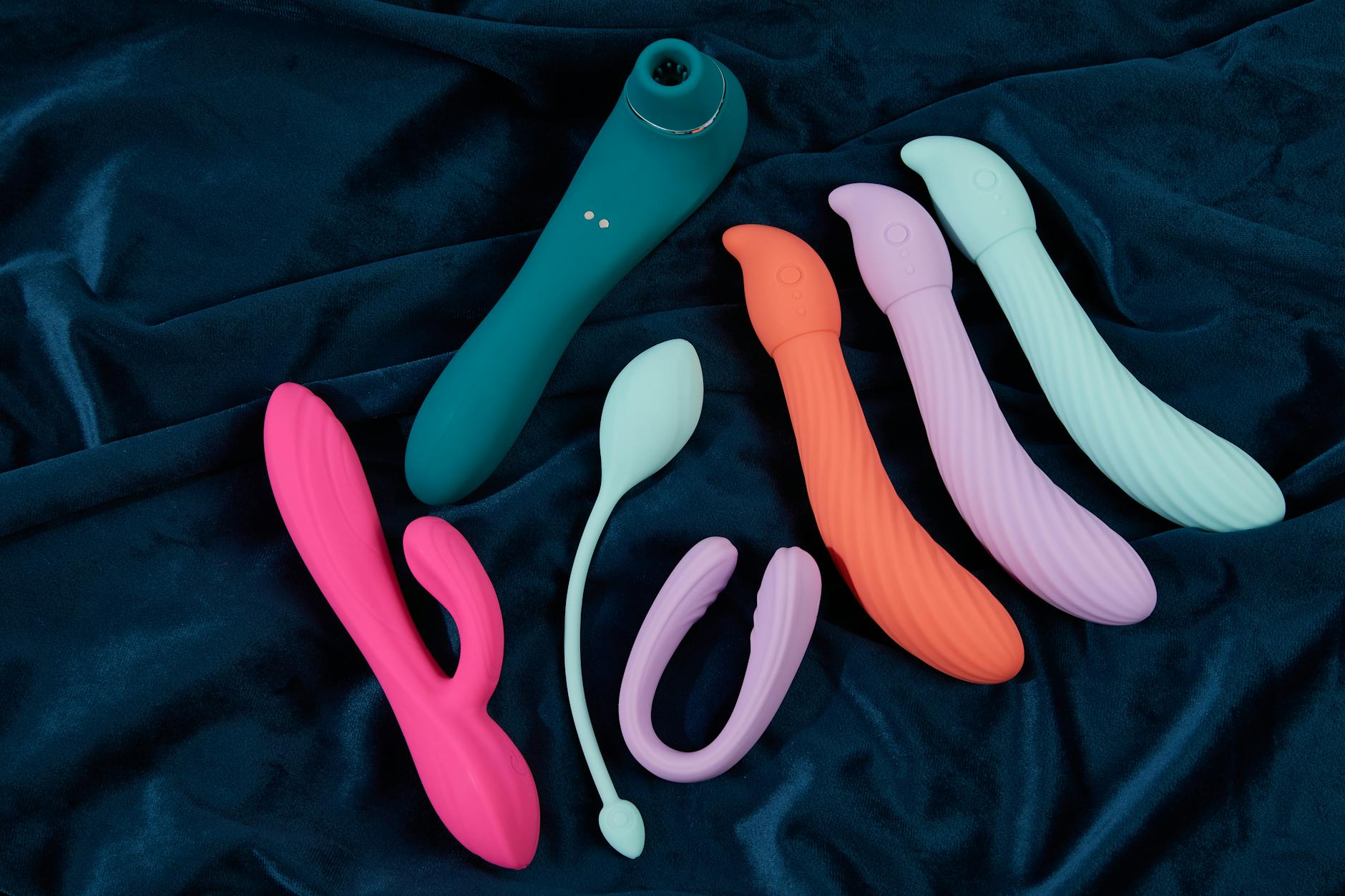
Lemon vibrators solve for a specific problem: they let you regulate your own pleasure on YOUR timeline. You're not banking desire and frustration. You're not performing readiness you don't feel. You're not waiting. A clitoral vibrator like the Lem is designed to give you what you need in 5-15 minutes, which means you can use it on your own schedule and still show up present with your partner when time does open up.
This isn't about preferring toys to partnered sex. It's about refusing to let mismatched schedules tank your relationship.
Here's the shift in thinking that changes everything. Instead of treating solo time with a lemon vibrator as a consolation prize, treat it as maintenance. You wouldn't skip your own workout because your partner can't go to the gym that day. You wouldn't stop eating because they're not hungry. Your pleasure is a need, not a luxury that only counts if someone else is involved.
Set a recurring time that works for you. Not when your partner is available. When YOU are. If you peak in the morning, set aside 15 minutes before they wake up. If you need quiet time after the kids are down, claim it. Use your clitoral vibrator. Get what you need. Then show up to your partner without the edge of resentment that comes from constantly deferring your own body.
Partners who do this report something consistent: they stop resenting each other. The person who couldn't align their schedule stops feeling guilty. The person who had mismatched desire stops feeling rejected. You're both getting met.
Lowkey, this conversation is easier than you think if you frame it right. Don't lead with "I've been waiting for you to want me and it's making me bitter." Do lead with "Hey, I've noticed we're never both in the mood at the same time, and I don't want that to tank what we have. I'm going to start taking care of myself solo so I'm not holding resentment. It actually might make me MORE available to you when we do align."
Most partners respond well to that because it's not a criticism. It's a solution that takes pressure off both people. You're not saying "you're not enough." You're saying "I need to own my own pleasure so we can show up better together."
If your partner gets weird about it, that's worth exploring. Jealousy about a vibrator usually signals something else. Maybe they feel threatened. Maybe they're carrying shame about their own desire. Maybe they're stuck in a scarcity mindset where your pleasure somehow diminishes theirs. Those are all conversation-worthy, but they're not reasons to sacrifice your own body. When desire drops after a relationship milestone, these kinds of deeper conversations often unlock what's actually going on.
Let's be specific. You're using a lemon sucker or clitoral vibrator like the Lem. You've got maybe 10-20 minutes before your partner gets home or before you need to move on. Here's what works.
Start with a water-based lubricant. Even if you're naturally lubricated, the extra glide makes the sensation cleaner and faster. The clitoral vibrator will do its job better with friction support. You're aiming for efficiency, not extended foreplay.
Begin on lower settings. Patterns 1-3 on most lemon vibrators. Your goal isn't to edge yourself or draw this out. It's to get what you need and move on. Higher intensity, shorter time.
Pay attention to what actually gets you there when your partner isn't there. Solo sensation is often different from partnered sensation. You might need something faster or more direct. You might need permission to be selfish about what feels good. Take notes. Then bring that intel into partnered sex.
Here's the thing nobody tells you. When you've spent time alone with a lemon vibrator understanding your own body, you actually get BETTER at partnered sex. You know exactly what works. You don't have to guess or perform. You can direct your partner or direct the toy they might use with you.
Some couples bring the vibrator into partnered sex directly. Others don't. But either way, the solo exploration makes the partnered time more efficient and more satisfying. You're not relearning your body every time. You know the map.
If you do incorporate the vibrator into partnered sex, here's the honest bit: lots of people feel self-conscious about it. The narrative is that you're supposed to come from partnered stimulation alone. But that's not how most bodies work. Using a clitoral vibrator with your partner isn't failure. It's data. It's saying, "Here's what my body needs." And a partner who gets defensive about that is showing you something important about how they handle your needs in general.
If you've been managing solo for six months and the schedule mismatch is still destroying your intimacy, it's time for a real conversation. Not about the vibrator. About why the schedules are so incompatible and what you're both willing to shift.
Maybe one of you travels less. Maybe you align on a specific night. Maybe you reframe what sex looks like so it doesn't require both people to be at peak energy. But solo pleasure shouldn't be your only option forever. It's a bridge, not a permanent solution.
Some couples find that explicitly scheduling sex helps. It sounds unromantic until you try it. Then you realize that knowing you have a date gives you both time to mentally prepare, find childcare, clear your schedule, and show up actually present. No spontaneity required, and weirdly, a lot of couples find that planned sex becomes their most connected sex because nobody's resentful.
Here's what I see in practice. Couples who navigate schedule mismatch by owning their solo pleasure often report that they become closer, not more distant. Why. Because they stop performing and start being honest. They stop resenting and start planning. They stop waiting around for their partner to magically have energy and start taking care of themselves.
Your lemon vibrator isn't a symptom of a broken relationship. It's a tool for managing real life. Work happens. Kids happen. Bodies change. Schedules shift. The couples who survive it are the ones who stay connected to themselves and honest with their partners. A clitoral vibrator is just part of that toolkit.
Completely normal. Desire isn't just about attraction. It's about energy, stress levels, sleep, hormones, and life bandwidth. When one partner wakes at 5 a.m. and the other sleeps until 9, their biological peaks are literally different. Add work stress, parenting, or travel, and you're managing two totally different nervous systems trying to sync up. The couples who handle this best don't try to force alignment. They accept it and work around it.
The vibrator itself won't hurt anything. Secrecy might. If you're hiding it or ashamed of it, that's worth examining. But using a lemon vibrator because your partner's schedule doesn't match yours is practical self-care. Partners who feel threatened by that are usually carrying stuff that needs unpacking separately. A good partner gets it. A defensive partner deserves a conversation about why they feel threatened by your autonomy.
That depends on your relationship baseline. Some couples are totally open about it. Some don't discuss solo habits. But if your partner might find out some other way, transparency is kinder. Frame it as practical: "I'm going to use a vibrator during the times we don't align so I'm not resentful." Most partners respect that more than discovering it secretly.
As often as you need to. If solo pleasure is happening because schedules don't align, there's no quota. If it's happening because you're avoiding your partner entirely, that's different and worth addressing directly. The question to ask yourself is simple: Am I using this because my partner isn't available, or am I using this because I don't want to be with my partner? If it's the first, you're fine. If it's the second, that's a relationship conversation, not a vibrator conversation.
Absolutely. Some people use it as foreplay. Some use it as part of partnered sex to get the receiver to orgasm faster so both people can get what they need in limited time. Some find that using a clitoral vibrator together actually makes scheduling easier because it's more efficient than traditional partnered sex. It's another tool in the toolkit.
That's a belief worth challenging directly. You can be wildly attracted to someone and still need a vibrator. Attraction and the ability to orgasm solo are two completely different things. A clitoral vibrator is about your nervous system, not his attractiveness. If he's making your pleasure about his ego, that's the real conversation to have. Your body isn't a stage for his reassurance. It's yours.
Schedule mismatch is a logistics problem, not a love problem. When you stop trying to force synchronized desire and start managing your own pleasure independently, something shifts. You're less resentful. You're more honest. You're more available when you do connect. A lemon vibrator is just a tool for making that work. It's not romance. It's not a substitute for partnered intimacy. It's just smart, practical self-care that happens to keep your relationship intact while life does what life does.