How to Use Lemon Vibrators When Sensation Returns After Antidepressants
Sexual numbness from SSRIs is real. So is the joy of rediscovering pleasure when your medication changes. Here's how to navigate that transition with patience, confidence, and the right tools.
Let's be real: SSRIs work brilliantly for depression and anxiety, but the sexual side effects are no joke. Anywhere from 40 to 60 percent of people taking selective serotonin reuptake inhibitors report some flavour of sexual numbness. Delayed orgasm. Reduced sensation. Flat desire. None of it is in your head, and none of it means you're broken.
What nobody talks about clearly is what happens when that changes. Whether your doctor switches your medication, adjusts your dose, or adds something to counteract the sexual side effects, sensation often comes roaring back. And that's where things get complicated. Your body is waking up after months or years of being asleep. Your brain is relearning what pleasure feels like. Your confidence is somewhere in the vicinity of the floor.
SSRIs work by increasing serotonin availability in your brain. The upside is mood stability. The downside is that serotonin also regulates sexual function. It's involved in arousal, orgasm intensity, and genital blood flow. When serotonin stays elevated, those signals get dampened.
When your medication changes, that biochemical brake slowly releases. Dopamine sensitivity returns. Genital sensation creeps back. Orgasmic response rebuilds. But this isn't instant. It's not like flipping a switch. It takes weeks, sometimes a couple of months, for your nervous system to fully recalibrate.
That's not a flaw in the process. That's your body being smart.
Here's what my clients tell me, consistently: "It feels almost painful at first." "I don't know what to do with it." "I'm worried I'm going to do something wrong." That's completely normal.
Your clitoral and genital nerves have been running on low. Suddenly they're getting fed again. Early sensations can feel intense, almost electrical, because contrast is dramatic. What felt like nothing six months ago now feels like everything.
Second, there's a psychological layer. You've spent months getting used to a body that doesn't respond. You've probably made peace with that, in the way you make peace with difficult things. When sensation returns, you have to grieve the adaptation you built and relearn your own body. That takes emotional energy.
Third, confidence takes a hit. If you haven't had good orgasms in a year, you might be terrified you've forgotten how. You haven't. The pathways are still there. But you won't believe that until you test it.
If you have a partner, this is crucial: the first time you experience returning sensation should be alone, with zero audience and zero expectation of "success."
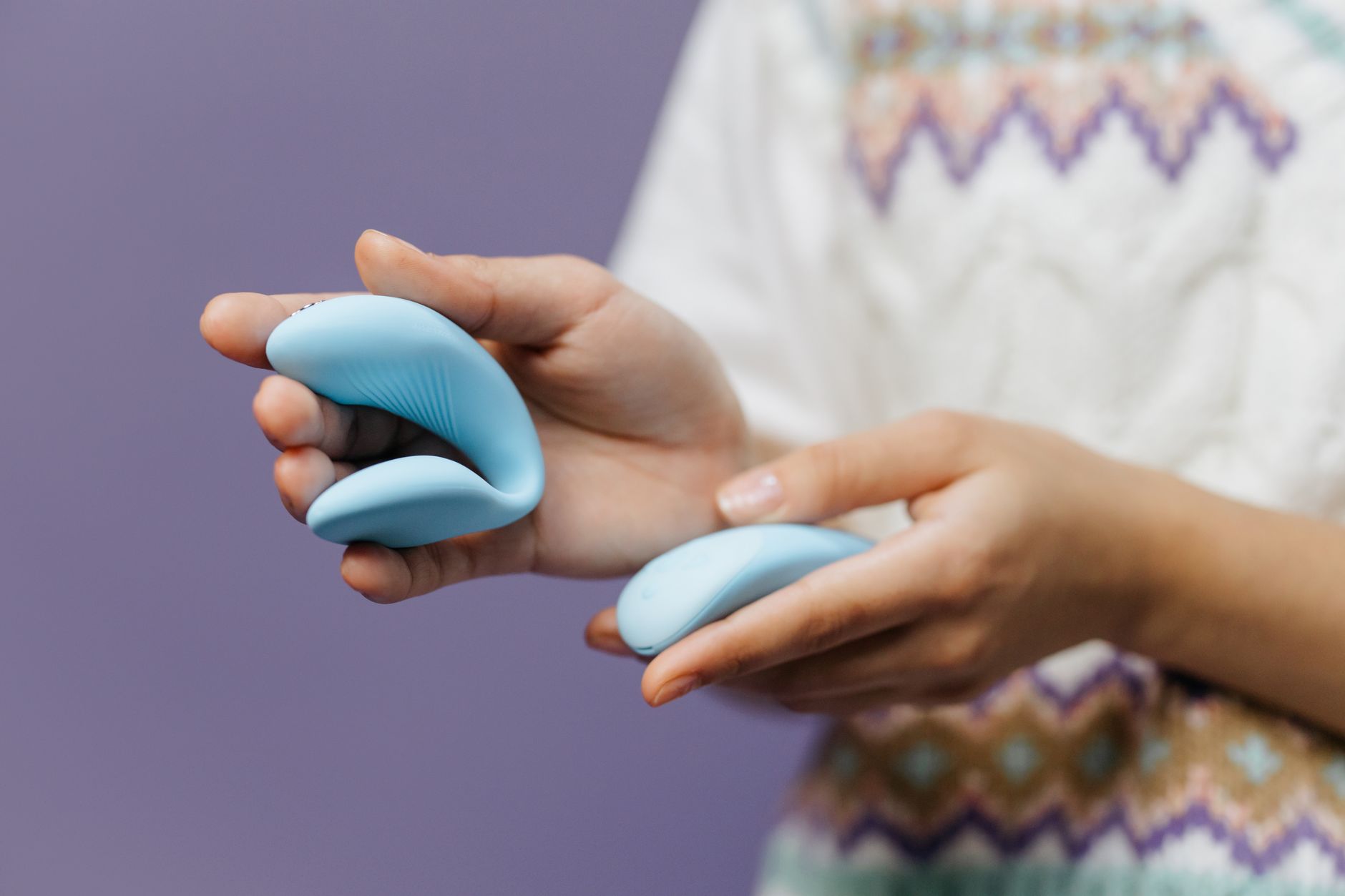
This is when a lemon clitoral vibrator becomes genuinely useful. The Lem uses gentle air suction rather than direct vibration, which means you can control intensity more precisely. That matters when you're relearning your own nerve endings. You can start at the lowest setting, stay there, let your body adjust.
Set aside 20 to 30 minutes when you won't be interrupted. No phone, no partner peeking in, no goal of orgasm. The goal is sensation. Pay attention to where you feel things. Notice what intensity level registers as "interesting" versus "too much." Some people find that returning sensitivity actually comes with a lower orgasm threshold. Others find orgasms are slower to build but more intense when they arrive.
Neither is better. Both are information about your specific body right now.
Don't hide this from them, but also don't make it their responsibility to fix.
Good opening: "I'm working through some changes with my medication, and my body's responding differently than before. I'm figuring it out solo first, and I'll let you know when I want to explore together."
That's it. You're not making it their fault. You're not promising them amazing sex tomorrow. You're setting a boundary around your own discovery process.
Once you've spent a week or two relearning your body alone, you can invite them back in. That's when you might use a lemon vibrator with a partner, or try something you haven't tried in a while. But your partner's job is to witness and support, not to "perform" sexuality back into you. That's not how it works.
Expect physical sensitivity to fluctuate. Some days your clitoris will feel almost raw. Other days sensation will dip slightly. That's normal. Your nervous system is still stabilizing.
Use a water-based lubricant. Returning sensation sometimes comes with dryness if your medication was also affecting vaginal lubrication. Lube is not a sign of failure. It's a sign you're paying attention to what your body actually needs.
Keep sessions short at first. Fifteen to 20 minutes of exploration, then stop. Your nervous system doesn't need a marathon. It needs consistent, gentle practice. Over time, your stamina and comfort will build naturally.
If something hurts in a sharp way, stop. If something feels intensely pleasant but a little uncomfortable, that's probably fine. The difference matters. Sharp pain is a signal to back off. Intensity without pain is your body waking up.
One conversation I have frequently: "My partner thinks now that my medication changed, I should want sex all the time again." That's not how this works.
Returning physical sensation does not automatically mean returning desire. Desire is separate from sensation. It's about wanting someone, wanting the experience, feeling safe enough to be vulnerable. Physical numbness might have masked relationship issues that are still there. Or it might have masked your own ambivalence about sex that has nothing to do with medication.
Sensation returning is an opportunity to notice what you actually want, separate from what your body can physically do. Those are two different conversations. For some people, they align perfectly. For others, they're mismatched. Both are fine. Both require honesty.
If you're using a lemon vibrator with a partner for the first time in months, frame it as exploration, not performance. "I want to show you what feels good to me right now" is different from "I want you to get me off." One is collaborative and specific. The other is high-pressure.
If physical sensation returns but you feel zero desire, talk to your doctor. That can signal that the medication change isn't fully addressing the original problem, or that there's something else going on emotionally.
If sensation is returning but you're experiencing pain where there wasn't pain before, mention it to your healthcare provider. Sometimes medication changes affect lubrication or tissue in ways that need attention.
If you've been off antidepressants for three months and sensation hasn't returned at all, that's also worth discussing. It can happen, and it's treatable.
Most importantly, if reconnecting with pleasure is triggering anxiety or trauma memories, slow down and consider talking to a therapist who specializes in sexual health. Medication can mask trauma. When the numbness lifts, sometimes the trauma surfaces. That's not failure. That's information, and it's worth addressing with professional support.
Weeks one to two: Sensation feels intense, almost shocking. You might feel mentally foggy or emotionally weird as your brain adjusts. That's normal.
Weeks two to four: Physical sensation settles into a new normal. You start to feel more like yourself, but in a different way than before the medication.
Month two: Orgasm response usually stabilizes. You've rebuilt some confidence. You're touching yourself more often, exploring more.
Month three and beyond: Pleasure feels integrated again. You've moved from "relearning" to "living."
Some people's timelines are faster. Some are slower. Stress, sleep, relationship dynamics, and how long you were on the medication all factor in. There's no universal clock.
The Lem and other lemon clitoral vibrators use suction, which is gentler than traditional vibration. That matters when you're relearning sensitivity. You get precise control. You can start at the softest setting. You can stay there as long as you need. You're not forcing intensity before your body is ready.
Beyond the mechanics, there's a psychological piece. Having a specific tool that you use only for your own pleasure, not shared with a partner, creates a clear boundary between solo discovery and partnered sex. That boundary is healthy when you're navigating something as intimate as returning sensation.
Sensation returning is not the end of the story. It's the beginning of a new chapter where you get to decide what you actually want from your body and your sexuality. That might be the same as before. It might be completely different. Both are allowed.
Use this transition as an opportunity to notice what feels good without judgment. To reconnect with your own pleasure as the priority, not as something you're performing for someone else. That foundation, built during solo exploration with tools like a lemon clitoral vibrator, often transforms partnered sex in ways that feel sustainable and honest.
Your pleasure matters. The fact that it's returning is worth celebrating, even when it feels weird at first.
Most people notice physical changes within two to four weeks. Full sensation and orgasm response typically stabilize by month two or three. That said, everyone's timeline is different depending on which medication you switched from, what you switched to, your baseline physiology, and life stress. If you haven't noticed changes after three months, mention it to your psychiatrist. Sometimes a dose adjustment or adding a second medication helps.
Yes, if by painful you mean intense or electrically sensitive. That's your nerves waking up. Mild discomfort from intensity is normal. Sharp, shooting pain is not, and that's worth mentioning to your doctor. If your clitoris feels raw or oversensitive, take a few days off and try again with more lubrication next time.
Absolutely. Using a vibrator while on SSRIs is safe. You might not feel much, which is frustrating, but it's not dangerous. Many people keep a vibrator in their routine even during the numb phase so that the behaviour is established. When sensation returns, the habit is already there. That often makes the transition smoother.
Yes, eventually. You don't owe them a play-by-play, but keeping them completely in the dark can breed resentment or confusion. A simple check-in like "My medication change is helping with a few things, including some physical sensation. I'm taking some time to figure out what that means for us" opens the door without overpromising.
That's possible and it's worth exploring. Antidepressants don't cause desire directly, they just remove a barrier to it. If the barrier lifts but desire doesn't follow, you might be dealing with relationship issues, past trauma, or asexuality that was masked by the medication. All of those are valid. Consider talking to a therapist who gets both medication and sexual health.
Very. Some people report orgasms feel more localized or less full-body. Others report they're more intense. Orgasms in different parts of your cycle feel different. Orgasms with different people feel different. The important thing is that your orgasm right now is normal for your body right now. If it changes again in a few months, that's also fine.
Returning sensation after antidepressants is a threshold moment. You get to decide what happens next. Solo exploration with tools like a lemon vibrator isn't self-indulgence. It's information gathering. It's the foundation for pleasure that feels real, sustainable, and genuinely yours. Build from there. Everything else follows.