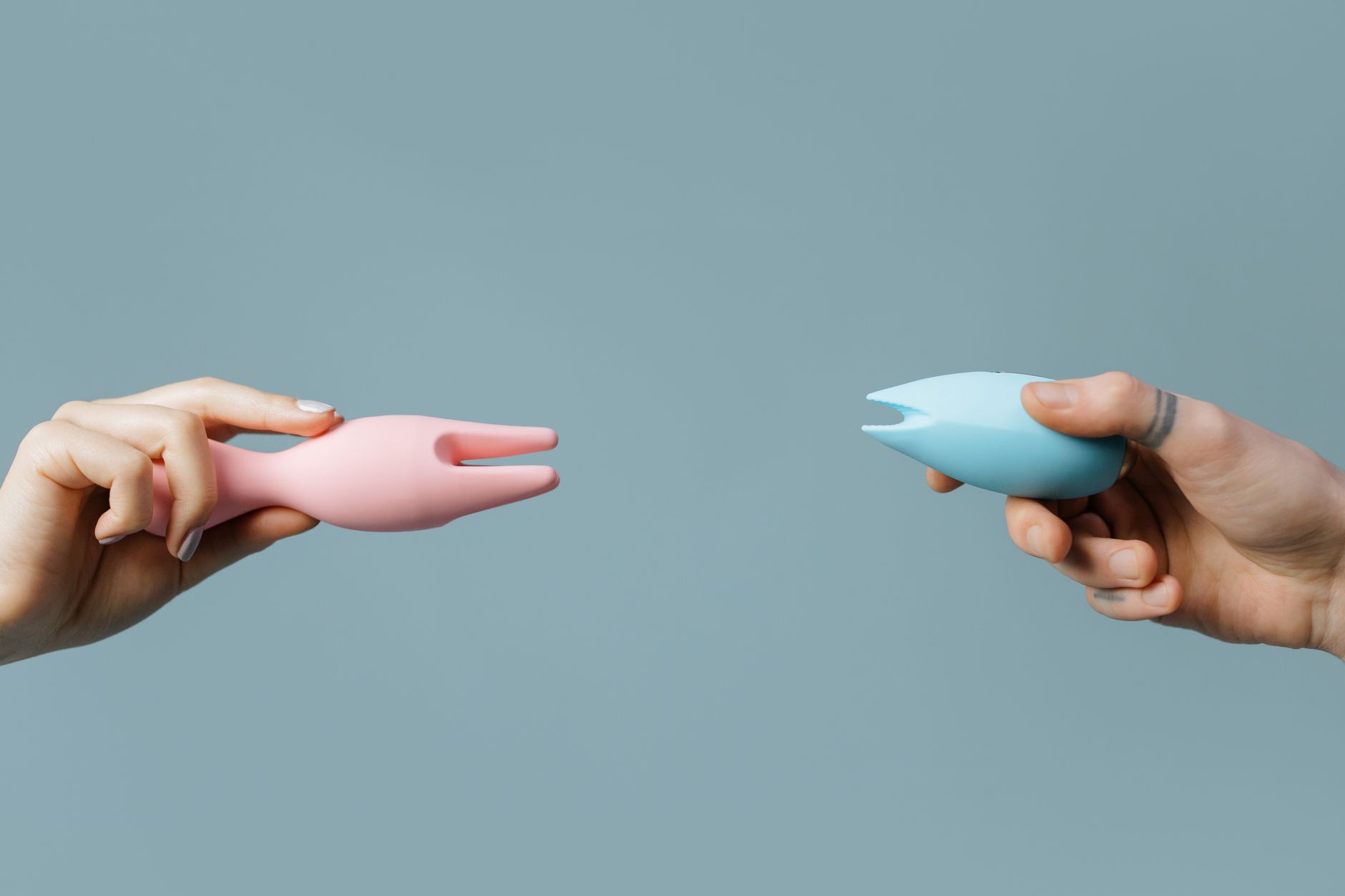
Trying to conceive puts sex under a microscope. The spontaneity disappears. Pleasure becomes optional. Your body stops being about sensation and starts being about function. Between tracking cycles, timing ovulation windows, and the weight of wanting something desperately, many couples find that lemon vibrators and other tools for pleasure become either irrelevant or, worse, something that feels selfish in the face of the bigger goal.
Here's what I see in my practice: the couples who integrate pleasure into conception planning have better sex, lower stress, and ironically, a far easier time actually getting pregnant.
Your body doesn't know the difference between running from a tiger and waiting for a pregnancy test. Chronic stress triggers cortisol release, which suppresses reproductive hormones and makes ovulation less reliable. High anxiety also dampens arousal, tightens the pelvic floor, and creates tension during intercourse. That tension reduces the likelihood of sperm reaching the egg, and it definitely reduces pleasure for both partners.
Research shows that couples with lower stress during conception attempts have higher pregnancy rates. Not slightly higher. Meaningfully higher. Pleasure is not a distraction from conception. It's a biological part of the process.
Let's start with the obvious: orgasms feel good. But they also matter physiologically. When someone with a vulva orgasms, the pelvic floor contracts in a wave-like motion that can help move sperm toward the cervix and uterus. Some research suggests that orgasm around the time of intercourse increases conception odds. More importantly, it creates a reason to have sex that isn't purely reproductive. It reminds you why you wanted to build a family with this person in the first place.
Lemon clitoral vibrators like the Lem make orgasm easier, faster, and more reliable. When conception timing has made sex feel mechanical, a vibrator reintroduces sensation and pleasure into the equation. You're not replacing partner sex. You're enhancing it.
Timing matters, but not in the way most people think.
During the follicular phase (pre-ovulation, roughly days 1-14 of your cycle), arousal naturally rises as estrogen increases. This is when a lemon vibrator or other clitoral vibrator can deepen connection with a partner. Use it together, not instead of intercourse. The goal is to restore pleasure to the experience, not replace it.
Around ovulation (typically day 14), you're most fertile and often most aroused. This is when partner sex is most likely to succeed. But it's also when stress peaks. Using a vibrator before or after sex can lower cortisol and keep the pelvic floor relaxed. Tension locks arousal away. Pleasure releases it.
During the luteal phase (post-ovulation, roughly days 15-28), progesterone rises and arousal often dips. This is when many people in relationships pull back from sex entirely. But this phase matters too. Regular sexual activity, including partnered sex enhanced with a vibrator, keeps oxytocin flowing and stress down. Maintaining intimacy throughout your cycle, not just around the fertile window, strengthens both the physical and emotional foundation for conception.
One of the most damaging dynamics I see in conception-focused couples is performance anxiety. If one partner is responsible for the orgasm that supports conception, sex stops being mutual and becomes another chore to manage.
Using a lemon clitoral vibrator together removes that burden. Neither partner has to be the engine of pleasure. The vibrator is. This shifts the energy from "I need to perform" to "we're exploring this together." That distinction is huge. It restores playfulness.
If you're using a vibrator during partnered intercourse, water-based lubricant helps. If you're using it alongside penetrative sex, most people find rhythm is easier with slower vibration patterns, which most quality vibrators offer. Experiment. What feels good varies person to person and cycle to cycle.
Here's what doesn't get discussed enough: orgasms lower cortisol. They trigger dopamine release, improve sleep quality, and reset your nervous system. When you're in conception limbo, these aren't luxuries. They're necessities.
Much of the stress people feel during the two-week wait isn't about wanting a baby. It's about the uncertainty. Using a lemon vibrator for solo pleasure during that window isn't avoiding intimacy with a partner. It's managing your own mental health. Your body needs that reset. Your nervous system needs that break.
If your partner is a man or produces sperm, they benefit from this too. Regular orgasms keep sperm healthy and mobile. Pleasure isn't competing with conception goals. It's supporting them.
If you've been trying for a long time and your sex life has become functional and joyless, take a month off from timing. Have sex because you want to, not because the calendar says so. Use lemon adult toys because they feel good, not because you're trying to optimize conception. This usually resets the relationship and often leads to conception because the pressure is finally gone.
If you've recently lost a pregnancy or gotten a negative test, use vibrators for self-care, not performance. Your body and nervous system need comfort. Pleasure is comfort.
If conception requires medical intervention (IVF, IUI, etc.), the same principles apply. The stress during medical fertility treatment is real and significant. Pleasure becomes even more important, not less.
Most couples don't talk about how conception is affecting their sex life until resentment has already built. One partner feels pressured to perform. The other feels rejected. Both feel misunderstood.
Start here: "I want us to enjoy this process, even when it's hard. Let's find ways to stay connected and feel good, not just do the thing we're supposed to do." From there, introducing a lemon clitoral vibrator, whether together or solo, feels less like a workaround and more like an actual solution.
Conception is a journey, not a single moment. How you travel together matters more than how fast you arrive.
Research is mixed but encouraging. Studies suggest that orgasm during or shortly after intercourse may increase the chances of conception by supporting sperm transport. More consistently, orgasms reduce stress, which absolutely supports fertility. The science says: orgasms probably help directly, and they definitely help indirectly by managing cortisol. That's a win either way.
No, not as a replacement. But as a supplement? Absolutely. If you're only having sex around ovulation because conception is the goal, that's a problem. Vibrators can help both partners enjoy the experience more, which naturally leads to more frequent, less stressful sex. Use vibrators to deepen pleasure, not to avoid partnership.
No. Vibrators don't change mucus consistency or affect ovulation. They're purely pleasure tools. You can track and time exactly as you normally would. The vibrator is an add-on, not a replacement for anything biologically important.
Keep it simple: "Sex has felt pretty functional lately, and I miss enjoying it with you. I found something that might help both of us feel better." Then listen. Their resistance might be about the vibrator, or it might be about feeling replaced or pressured. Address the actual concern, not the tool.
This is incredibly common. When libido crashes, forcing sex or blaming yourself helps nobody. Instead, use a lemon clitoral vibrator for solo pleasure when your partner isn't around. It resets your nervous system, releases stress, and reminds your body what arousal feels like. Often, one good orgasm restores interest in partnered sex. Start with self-care, not performance.
Yes. Completely. The couples who protected their sexual connection and pleasure during conception attempts are the ones who don't come out of that period resentful or disconnected. Whether or not pregnancy happens, you still have each other. That relationship is the thing that actually matters.
When conception becomes a project, sex becomes a job. Lemon vibrators and intentional pleasure aren't shortcuts around the real work. They're tools for keeping the work from destroying the relationship that made you want a family together in the first place. Use them. Enjoy them. Your conception journey deserves that.