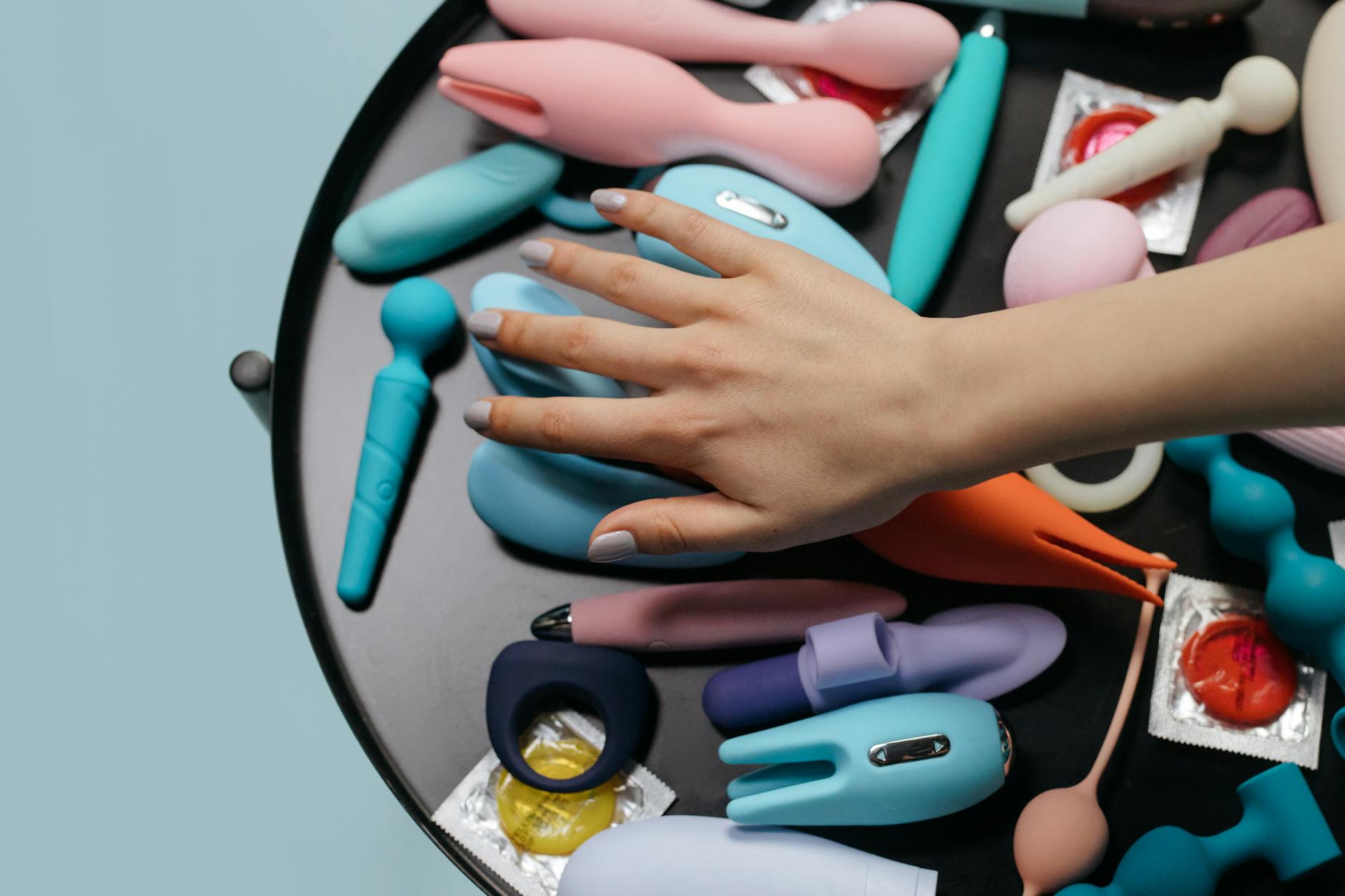
How to Use Lemon Vibrators When Managing Multiple Health Conditions
Chronic pain, autoimmune issues, and medication side effects don't mean pleasure is off the table. Here's how to navigate lemon clitoral vibrators safely when your body has complex needs.
Honestly, this is the conversation that almost never happens. You live with chronic pain, autoimmune flare-ups, medication interactions, or a body that's navigating multiple diagnoses, and somewhere along the way the message becomes clear: pleasure is something other people get to have. That's not true, and it's worth saying directly. Your body deserves sensation and joy, even (especially) when managing complex health needs.
The tricky part isn't that lemon vibrators can't work for you. They can. The tricky part is figuring out the specific combination of timing, intensity, lubrication, and positioning that works within your actual constraints. That takes a tiny bit more planning, but the payoff is real.
Several categories of medication affect arousal, sensation, or the mechanics of pleasure. Antidepressants (especially SSRIs), blood pressure meds, antihistamines, and some pain medications can dull sensation or make orgasm harder to reach. That's clinical fact, not a personal failing.
Before you blame yourself or blame the lemon vibrator, check your medication list with your doctor or pharmacist. Ask directly: "Does this affect sexual sensation or arousal?" Most healthcare providers won't volunteer this info, but they'll answer if you ask. Sometimes a dose adjustment or switching to a different medication in the same class helps. Sometimes not. Either way, knowing what you're working with is half the battle.
If medication blunting is real in your case, stronger sensation from lemon adult toys (air-suction technology versus traditional vibration) often helps you feel more despite the dampening effect.
If you're managing chronic fatigue, ME/CFS, long COVID, or conditions that knock your energy reserves sideways, traditional advice about "warming up" for 15-25 minutes might not be realistic. Some days it isn't.
Instead, think in terms of sessions, not single encounters. A 5-minute exploration with your Lemon vibrator today, another 5 minutes in a few days. The brain and body both benefit from consistency more than duration. You're building a pattern of sensation and pleasure, not trying to achieve an orgasm in one sitting (though that can happen too).
On high-energy days, go longer. On low-energy days, shorter sessions still matter. Your nervous system registers pleasure either way.
Lying flat isn't always possible. Your neck hurts. Your back flares. Your legs don't cooperate. The Lemon vibrator's design actually works in your favor here because it's handheld and doesn't require penetration. You have options:
Sitting upright in a chair or against pillows. Side-lying if that's more comfortable. Even standing or leaning. The suction technology of lemon clitoral vibrators works in all these positions, so you can experiment until you find what doesn't aggravate your pain baseline.
If your hands are affected by arthritis, neuropathy, or weakness, the lightweight design matters. The Lemon vibrator is small and intuitive to hold, but you can also explore mounting it (more on that in the next section) so you don't have to grip it.
Some health conditions make skin oversensitive to temperature or texture. Others make you undersensitive. Your nervous system might be in fight-or-flight a lot, which means direct sensation can feel jarring instead of pleasurable.
Start at the lowest intensity setting. Pattern 1 or 2 on a Lemon vibrator is genuinely subtle. From there, you're building sensation gradually instead of shocking a sensitized system. If you're dealing with neuropathy or numbness, you might need higher intensity than someone without these conditions, but you still build up to it rather than jumping in.
Temperature: keep your toy somewhere neutral or slightly warm. A cold silicone toy can be startling to an already-reactive nervous system. Holding it in your hand for 30 seconds warms it naturally.
Certain autoimmune conditions (Sjogren's, lupus) dry mucous membranes systemically. Some medications do too. Some people with chronic pain tense their pelvic floor habitually, which reduces natural lubrication even if the physical mechanism isn't affected.
Water-based lubricant stops being optional here. It's part of the toolkit. Use it generously. Reapply if you're going longer than 10-15 minutes. This isn't a sign something's wrong. It's intelligent body management.
If you have sensitive skin or reactions to common additives, patch-test any lube on your inner arm first. Some formulations include glycerin or other ingredients that can irritate already-compromised skin.
If your condition has predictable patterns, work with them rather than against them. Some people with migraines know their low-symptom windows. Some with autoimmune conditions recognize post-flare recovery periods when they have more capacity. Some with bipolar or cyclical mood conditions know their higher-energy phases.
Plan pleasure for those windows when you can. If that's only a 2-3 day window per month, that's completely valid. Consistency matters more than frequency.
The flip side: if you're in acute pain or a significant flare, pleasure probably isn't the priority and that's fine. There's no "should." Your body's job right now is healing. You can return to exploration when the acute phase passes.
If you have heart arrhythmias, high blood pressure you're managing, or conditions that affect your breathing, you might worry that pleasure will trigger problems. Fair concern.
The honest answer: arousal naturally increases heart rate and breathing. That's normal. But you can practice grounding techniques that keep you from spiraling into anxiety about it. Focused breathing between patterns. Checking in with your body instead of holding tension.
If you've been given exercise restrictions by your doctor, ask them specifically about sexual activity. Most of the time, activities that are fine for you at your current level are fine. But asking removes the guesswork.
One practical note: if you take nitrates for chest pain, you already know vibrators and certain medications don't mix. If that applies to you, your cardiologist can guide specifics. This is not common, but it's real.
If you're with someone, the conversation about lemon sexual toys and chronic conditions needs to include them. Not because they need permission, but because they might be carrying anxiety about whether pleasure will hurt you or trigger a flare.
It often doesn't. But saying "I want to explore this at my own pace on my own timeline" removes the guesswork. If you're having a flare week, your partner isn't left wondering if they're missing something. If you're interested in exploring together during a high-capacity phase, that's a choice you both made.
Your body changes. Medications change. Health conditions flare and remit. What worked three months ago might not work now, and that doesn't mean you did something wrong.
If you're experiencing sharp pain during or after use with a lemon clitoral vibrator, stop and assess. Pelvic floor tension? Change in sensation due to medication? A sign you need to adjust positioning or intensity? Each one has a different solution.
If sensation is completely absent despite trying different approaches, that's worth mentioning to your healthcare provider. Sometimes it's a signal that something else has shifted medically.
Managing multiple health conditions is genuinely hard. Your nervous system is working overtime. Your body might feel like it's working against you some days. Pleasure feels like a luxury you can't afford.
But pleasure also helps. It's not frivolous. Orgasms reduce pain perception, lower cortisol, and give your nervous system a genuine break from the constant vigilance of managing symptoms. That's not magical thinking. That's neurobiology.
Using lemon vibrators when you're managing complex health needs just means you get intentional about the timing, intensity, and setup. That's not limiting. It's actually how everyone should be thinking about pleasure. You're just doing it with more self-awareness than most.
Yes, and many people with fibromyalgia find suction-based technology gentler than traditional vibration because it stimulates nerves without harsh mechanical friction. Start low and go slow. Air-suction vibrators like the Lemon reduce the jarring sensation that can sometimes trigger symptom flare-ups. Pain during or after use is a sign to recalibrate intensity, positioning, or timing, not to stop entirely.
They can, but sensation might feel muted. Talk to your doctor or pharmacist about whether your specific medication is known to affect arousal. If it is, the stronger sensation from air-suction technology (versus traditional vibration) often helps you feel more despite the dampening. You might also need longer warm-up time or higher intensity settings than you'd expect. That's not a flaw in the toy or in you.
Start smaller than you think. One minute of very gentle exploration at the lowest setting. The goal isn't orgasm or even strong sensation. It's teaching your nervous system that touch can be safe and pleasurable. If it feels overwhelming, pause. Grounding techniques (naming five things you see, feeling your feet on the ground) help. You might also benefit from working with a trauma-informed sex therapist who understands both trauma responses and the benefits of pleasure. That's specialized, but it exists.
Not usually, and that's okay. If you're in acute pain or a significant flare, pleasure isn't the priority. Your body needs rest and recovery. You can return to exploration when the flare passes. There's no "should" here. Respecting your body's actual capacity today is more important than maintaining a routine.
Sharp, acute pain is a stop sign. Dull aching that matches your chronic pain baseline is probably just your nervous system being activated (which can actually feel like your pain level is higher even if nothing new is happening). Pause and check in: Did you use lube? Is your pelvic floor relaxed? Are you in a position that aggravates existing pain? Adjust one variable at a time and see what shifts. If pain persists across all variables, mention it to your healthcare provider.
Not directly. The toy itself doesn't interact with anything. But your medication might affect how you feel sensation, how quickly you can reach arousal, or how your nervous system responds. That's why the medication conversation with your doctor or pharmacist is so important. They can flag interactions or side effects relevant to your case specifically.
Managing multiple health conditions means your pleasure has to work within real constraints. That's not a tragedy. That's life. Using lemon clitoral vibrators within those constraints just means you're being intentional about timing, intensity, positioning, and preparation. You're not working around your body. You're working with it.
Your pleasure matters, even (especially) when managing complex health needs. Start where you are, adjust based on what you actually feel, and give yourself permission to have this part of your life too. You deserve it.