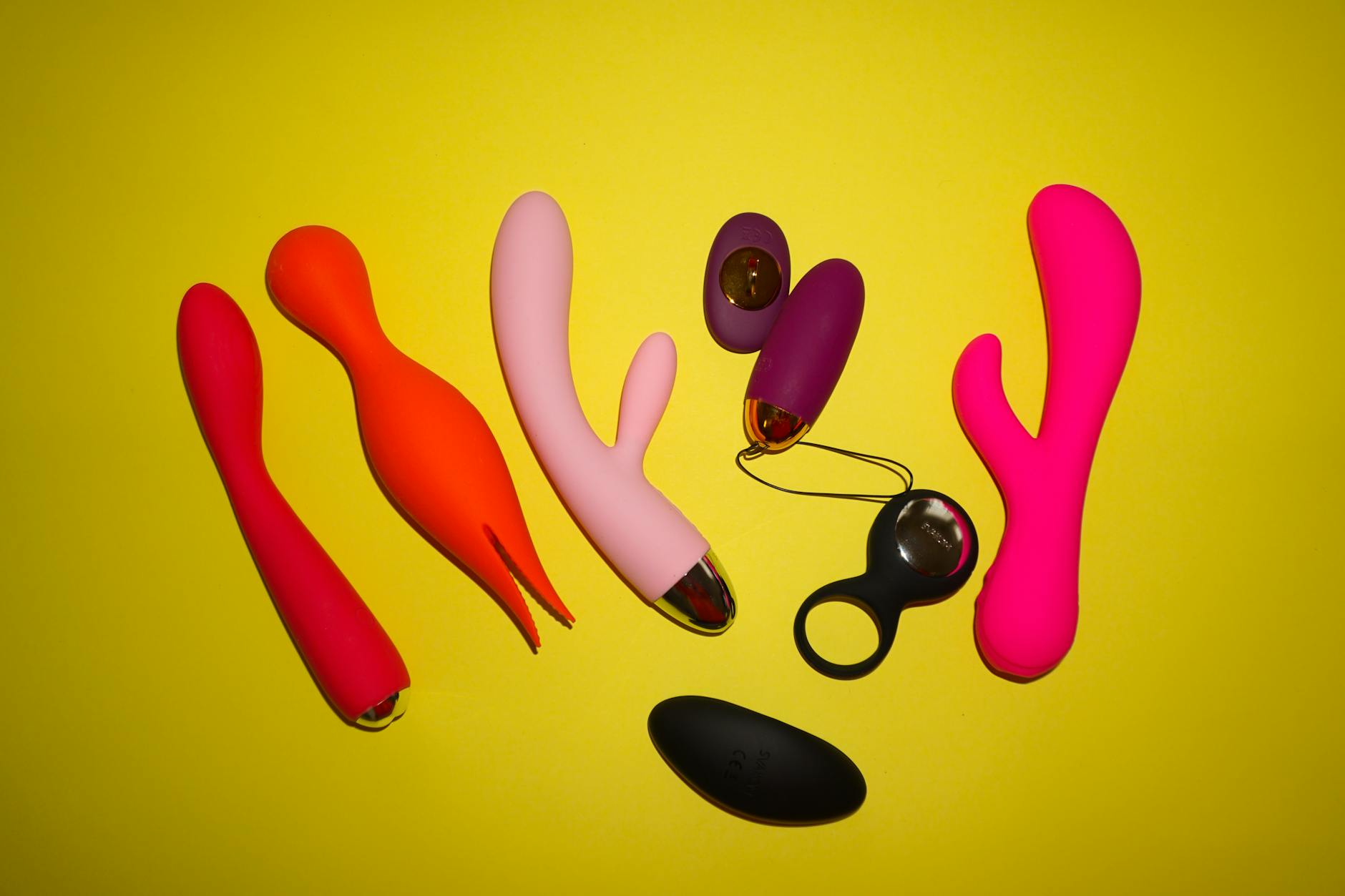
How to Use Lemon Vibrators With Pain or Discomfort During Penetration
When penetration hurts, pleasure doesn't disappear. It redirects. Here's exactly how lemon clitoral vibrators rebuild sensation, confidence, and intimacy.
Pain during penetration is not a personal failing. It's a signal. And here's what most people get wrong: they assume pain means you're done with pleasure, or that you need to power through it. Neither is true. Pain during penetration is often your body asking you to pivot, not quit.
Penetration pain, clinically called dyspareunia, shows up for different reasons depending on what's happening physiologically. Pelvic floor tension tightens the vaginal opening and makes entry uncomfortable. Low estrogen thins vaginal tissue and reduces lubrication, making friction feel like abrasion rather than pleasure. Vaginismus is involuntary muscle clenching triggered by the expectation of pain. Endometriosis, pelvic inflammatory disease, and adhesions create actual tissue sensitivity.
Then there's the psychological layer. After a few painful experiences, your nervous system learns to brace. Anxiety tightens muscles. Anticipatory tension arrives before anything physical happens. You're locked in a loop where the fear of pain creates the pain.
The reason this matters for pleasure is this: your clitoris doesn't care about any of that. It has its own nerve pathway, its own arousal system, and its own capacity for orgasm that exists completely independently of what's happening inside.
When you shift from penetration to external clitoral stimulation, you're not settling. You're actually accessing a more direct pleasure pathway. The clitoris has 8,000 nerve endings concentrated in a tiny area. Most people with vulvas need direct clitoral stimulation to orgasm anyway, penetration or not.
Lemon vibrators, especially models designed for clitoral suction and vibration, become the tool that helps your body remember pleasure feels good without the pain signal. This is neuroscience, not philosophy. Repeated positive sensation rewires your nervous system's expectation.
Your partner (if you have one) can be involved or not. Some people find partnered clitoral focus even more intimate than penetration because it removes the performance pressure. Others prefer solo exploration first, to rebuild confidence in private. Both are valid.
Three things change when you're using a lemon vibrator or other clitoral toy with penetration pain:
1. You control the entire experience. No guessing, no compromise, no pressure to accommodate someone else's timing or depth. This alone often releases the pelvic floor tension that was making things worse.
2. You can layer sensation safely. Some people find that external clitoral stimulation while gently practicing pelvic floor relaxation helps retrain the muscles without the defensive tightening that pain triggered. You're literally teaching your body a new response.
3. You're building a pleasure baseline that exists without penetration. This sounds simple but it changes everything. Instead of "penetration equals sex," the equation becomes "pleasure equals me plus sensation," and penetration becomes optional, not mandatory.
When you're ready to explore penetration again, having that clitoral pleasure foundation in place often makes the experience less fraught because you already know how to get there without it.
Start solo. Light the space however you like, take time to breathe, and use a water-based lubricant even if you don't think you need it. Lubrication reduces friction and signals to your nervous system that this is safe. Your body responds to permission.
Begin on the lowest setting, or on the outer vulva where sensation feels good. You're not rushing to orgasm. You're gathering data on what feels pleasurable right now. Some people find that consistent gentle vibration on the clitoral hood feels safer than direct stimulation. Others want more intensity. There's no wrong answer.
If penetration pain was tied to anxiety, you might notice your mind wandering or tensing. That's normal. Come back to the sensation without judgment. You're rewiring expectation over time, not in one session.
After a few sessions of solo exploration, if you have a partner you want to involve, talk about it first. Not "should we try this," but "I've been exploring what feels good externally, and I'd like to share that with you." Give them permission to be hands-off. The lemon vibrator is your tool, not shared property.
Most of the friction I see in relationships with penetration pain comes from partners misinterpreting it. They think: "She doesn't want me." The actual truth is usually: "My body is protecting itself, and I need a different pathway right now."
The best conversation I've found works like this: "My body and I are learning a new way to experience pleasure. This isn't about you or our connection. It's about me rebuilding confidence in sensation. I want you to understand how this works, and I'd love your support."
Then show them. Invite them to watch, or to hold you, or to simply know that this is happening. Some partners find that external clitoral focus during partnered time is actually more satisfying because they can see and feel your pleasure more clearly.
Some people never go back to penetration, and that's okay. Some use clitoral focus as the main event and add penetration occasionally. Some rebuild comfort with penetration over months and shift back. All of those are successes.
If pain is severe or preventing you from any sexual activity at all, a pelvic floor physical therapist can assess what's happening structurally. They can teach you exactly which muscles are bracing and give you exercises to release them. This is not therapy. It's mechanical.
If you're having pain unrelated to penetration, see a gynecologist. Endometriosis, cysts, and other conditions need diagnosis.
If the pain is tied mostly to anxiety or relationship dynamics, a sex therapist can help you untangle the psychological from the physiological. Most people benefit from both approaches at once.
The lemon vibrator is not a substitute for professional care. It's a tool that works alongside it.
Here's what I want you to know: people who've rebuilt pleasure after penetration pain often report that their orgasms feel more intense, more present, and more reliable than before. Because you're not managing pain or anxiety during the experience. You're just receiving sensation.
Your body isn't broken. It's asking you to listen. And when you do, pleasure usually shows up in ways you didn't expect.
Yes, but only externally at first. Vaginismus is involuntary muscle clenching, and forcing penetration (including with toys) makes it worse. External clitoral stimulation helps retrain the nervous system without triggering that protective response. Once your body feels safer, you can work with a pelvic floor therapist on gradual internal touch if you want to.
No. In fact, the opposite is often true. When you build a strong clitoral pleasure baseline, your nervous system becomes less defensive overall. You're proving to your body that touch equals good, not threat. This typically reduces pelvic floor tension over time.
It depends on what caused the pain and how long it's been happening. Some people feel relief in days. Others take weeks or months to rebuild trust in sensation. The clitoral vibrators like those from The Lemon Massagers help accelerate this because they're specifically designed for focused, controllable stimulation.
Yes, with your full consent and communication. The advantage is that they can focus entirely on your pleasure without the pressure of "performing" penetration. Many partners actually prefer this because your responses are usually clearer. Set boundaries first: speed, pressure, areas that feel good, and a signal to stop if anything feels uncomfortable.
Almost never. Pain is a signal, and signals can change. That said, healing depends on addressing what's causing it. Physical tension responds to pelvic floor work. Low estrogen responds to hormone treatment or vaginal estrogen cream. Anxiety responds to therapy and nervous system rewiring. The lemon clitoral vibrator helps with the last one especially.
Yes, if you're in pain. Your gynecologist needs the full picture of what you're experiencing and what you're trying. They won't judge. Many recommend exactly this approach: clitoral focus while you address the underlying cause. Being transparent helps them help you faster.
If penetration pain is where you are right now, start with external pleasure. Use a tool like The Lemon Massagers' clitoral vibrators to reconnect with sensation on your terms. Talk to a healthcare provider about what might be causing the pain. And know that pleasure doesn't end here. It just takes a different shape, often a better one.
Questions about how to move forward? Reach out to us. We're here to help.