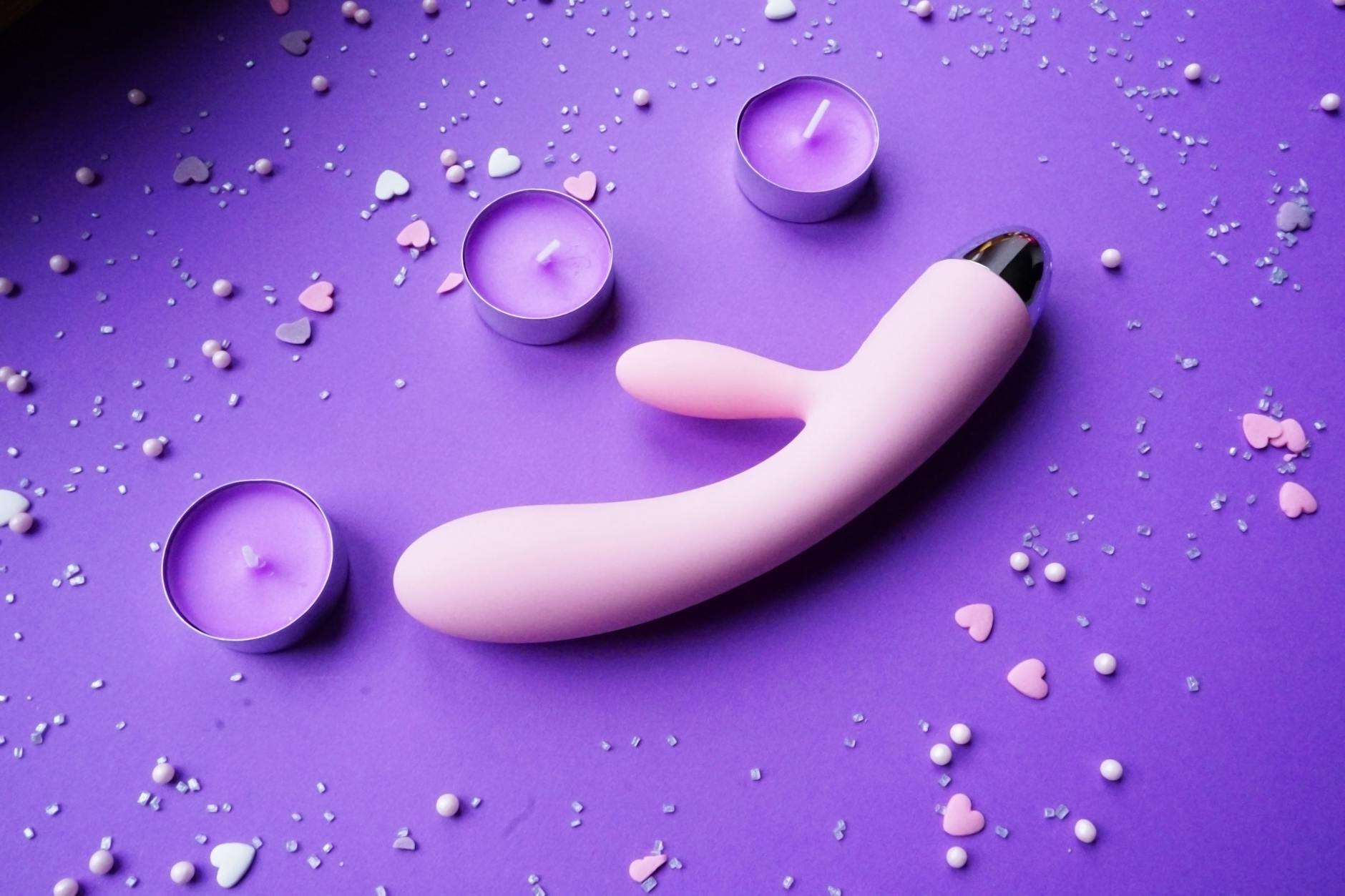
Why Lemon Vibrators Feel Different When You're on SSRIs or Antidepressants
Your clitoral vibrator didn't change. Your nervous system did. Here's what's actually happening, and why a lemon sucker might be exactly what you need right now.
You started an SSRI. Your mood lifted. Your anxiety quieted. And then something else happened: your lemon clitoral vibrator felt like it was running on batteries that were half-dead. Or maybe you didn't feel much of anything at all. This isn't in your head. It's not laziness. It's not your relationship. It's your nervous system, and how SSRIs change the way it processes sensation.
Honestly? This is one of the most common side effects people don't talk about, which means you're probably sitting with it alone and wondering if something is broken. It's not. But understanding what changed is the first step to working with it.
SSRIs (selective serotonin reuptake inhibitors) work by increasing serotonin availability in your brain. That's the mechanism that steadies mood, reduces anxiety, and helps you sleep better. But serotonin is also part of the chain reaction that creates arousal and orgasm. When you flood your system with available serotonin, you're changing how sensitively your nervous system responds to stimulation.
Think of it like turning down the gain on an amplifier. The signal is still there. The vibrator is still vibrating. Your clitoris is still there. But the magnification of sensation through your nervous system has decreased. For some people it's subtle. For others it's dramatic.
Another piece: SSRIs can delay or flatten orgasm entirely. This is called anorgasmia, and it affects somewhere between 25 to 73 percent of people taking SSRIs, depending on the medication and dosage. Not everyone experiences this. But if you do, you're in the majority of people on these medications, which means you're definitely not alone.
Here's where the design of a clitoral vibrator actually matters. Most standard vibrators rely on consistent vibration at a single frequency. If your nervous system is running at lower sensitivity, that steady buzz might not cut through the background noise of your dampened sensation.
A lemon sucker vibrator works differently. It uses pulsating air-suction technology instead of traditional vibration. This creates a rhythmic squeeze-release pattern that stimulates nerve endings through a different neural pathway than vibration alone. Because the stimulation pattern is more varied and dynamic, it can be more effective at reaching sensation when your nervous system is running on a lower sensitivity setting.
In practical terms: people on SSRIs often report that their clitoral vibrator feels stronger when it uses suction instead of steady vibration. A lemon vibrator or similar air-pulse device can feel like you're getting the signal through again, even when a regular vibrator feels muted.
If you just started an SSRI or recently increased your dose, the sensation dampening might be temporary. Many people find that after 6 to 12 weeks, their nervous system adapts and sensation starts returning. This doesn't happen for everyone, but it's common enough that it's worth knowing.
If it doesn't return on its own, you have options. The most direct: talking to your prescriber about whether the medication is the right fit, or whether adjusting timing, dose, or the specific SSRI might help. Some medications in this class have a lower rate of sexual side effects than others.
What you don't have to do: suffer through it silently, assume your pleasure is gone forever, or stop taking medication that's helping your mental health. Those aren't your only options. But you do have to be willing to experiment and advocate for yourself.
Four things I recommend to almost every client on SSRIs who's noticing this:
First, extend your warm-up time. A lemon clitoral vibrator will work better on a fully aroused body than on a neutral one. Budget 20 to 30 minutes of foreplay, self-touch, and mental engagement before bringing in the toy. Arousal amplifies sensation, and on SSRIs that amplification matters more.
Second, take it at a different time of day. If you're taking your SSRI in the morning and you're most interested in pleasure at night, the medication levels in your blood will be lower in the evening. Some people find that taking their SSRI right before bed shifts when they feel most responsive. Ask your prescriber if this is safe for your specific medication.
Third, consider combination stimulation. A lemon vibrator works better when paired with internal touch, fantasy, or partner involvement. Your nervous system responds to the total sensory load, not just clitoral stimulation in isolation. Adding texture, temperature, or another sensation can push you over the threshold your SSRI has raised.
Fourth, and most important: communicate with your partner if you have one. This isn't a you problem that you solve alone. If sensation has flatlined, your partner probably noticed. Talking about it directly—what you're experiencing, what you've tried, what you need—turns it from a source of shame into a puzzle you're solving together.
If sensation doesn't return after 12 weeks, or if anorgasmia is affecting your quality of life significantly, bring it up. Here's what not to do: white-knuckle it and hope it improves, or stop taking your medication without talking to your prescriber first. Here's what to do: describe the specific change (numbness vs. delayed orgasm vs. reduced intensity), when it started, and how much it's affecting you.
Your prescriber might suggest:
Adjusting the dose lower. Sometimes a smaller amount of medication keeps your mood stable while reducing sexual side effects.
Switching to a different SSRI. Sertraline and paroxetine tend to have higher rates of sexual side effects. Bupropion, by contrast, often improves sexual function. There are real differences between medications.
Adding a medication to counteract the effect. Some prescribers add buspirone or bupropion specifically to offset sexual side effects.
Timing adjustments. Taking your dose at different times of day can sometimes matter.
Taking a medication holiday. For some people, skipping a dose on planned pleasure days works. This is not something to do without medical guidance, but it's worth asking about.
Here's what I see in my practice: people on SSRIs often blame themselves for the change in sensation. You internalize it as something being wrong with you, your body, your relationship, your desire. When in fact the medication is doing exactly what it's supposed to do—it's changing your nervous system. That's the mechanism.
The separation that matters: your medication might have changed how your nervous system processes sensation. It did not change your capacity for pleasure. It did not change your worthiness of pleasure. It did not change the fact that your partner wants to experience pleasure with you, or that you deserve to feel good in your body.
Once you understand that the dampening is a side effect of a tool that's helping your mental health, you can stop treating it like a personal failure and start treating it like a puzzle with actual solutions. A lemon vibrator, extended warm-up, honest communication, and medical conversation—those are the pieces.
Talk to your prescriber. Experiment with warm-up time and timing of your medication. Try a lemon clitoral vibrator if you haven't already, or try a different type of vibration pattern if you have. Bring your partner into the conversation. And most importantly, stop treating this like something you have to figure out alone.
Your pleasure matters. SSRIs can save your life. Both things are true. And they can coexist.