You already know this in your body. Major stress, grief, burnout, loss. The first thing that goes quiet is sensation. Not your ability to feel physically, but your interest in it, your access to it. Your nervous system goes into protection mode and pulls all the blood away from pleasure centers toward survival. It's a smart adaptation. It's also a problem when the crisis passes and pleasure doesn't come back.
When you're carrying chronic stress, your body produces sustained cortisol. This hormone is brilliant at helping you survive a threat. It's terrible at letting you feel pleasure. Cortisol narrows your vagus nerve function, the main pathway that signals relaxation and arousal to your brain. Your clitoris literally receives less blood flow. Touch that would normally feel electric feels distant or even irritating.
Add to this: stress makes you hypervigilant. Your brain is watching for the next problem, not dropping into sensation. Even if your body wants to respond, your mind won't let it. You notice you're dissociating during intimacy, or feeling nothing at all, or becoming aware of your body in an uncomfortable way. This is not a personal failure. This is neurobiology.
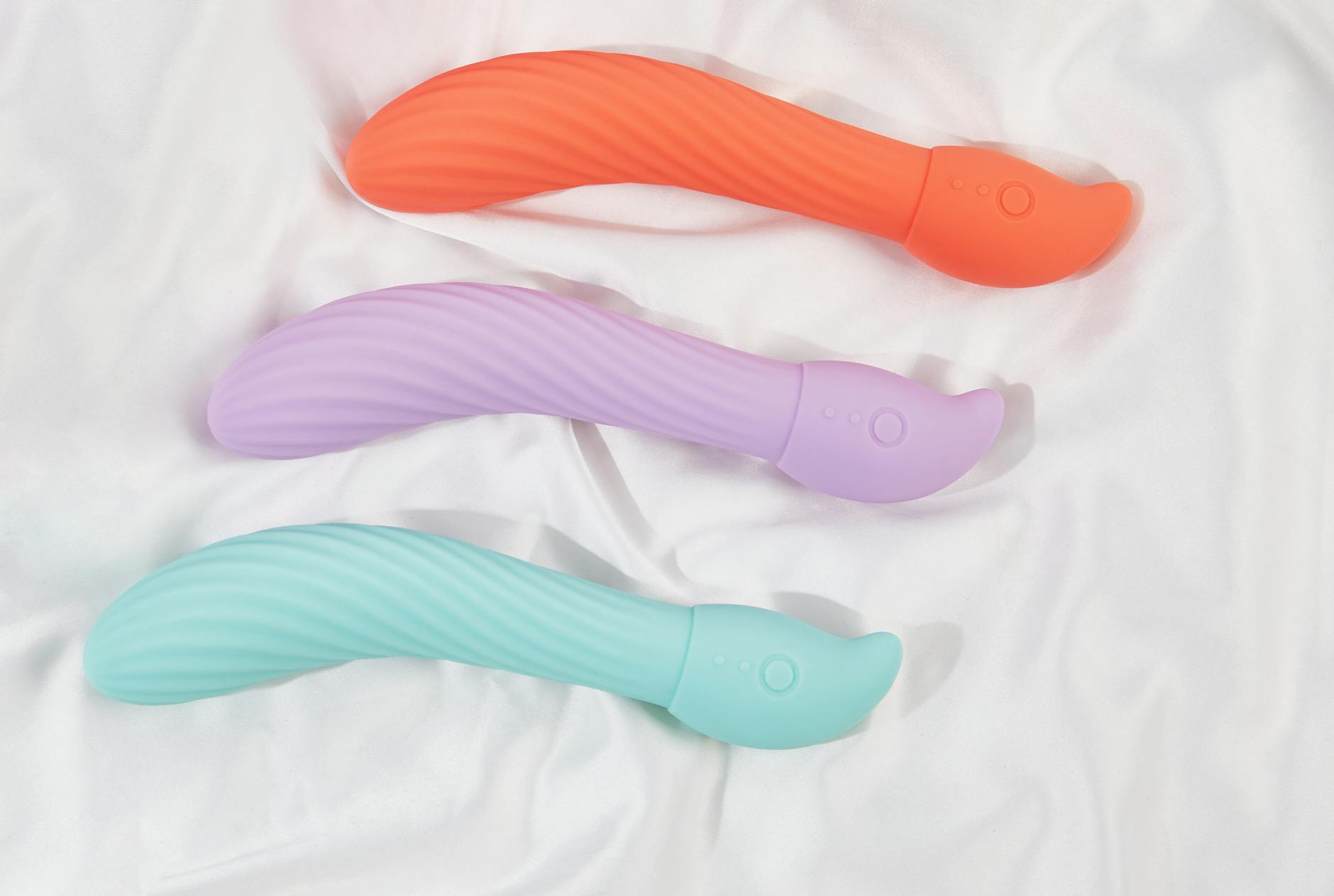
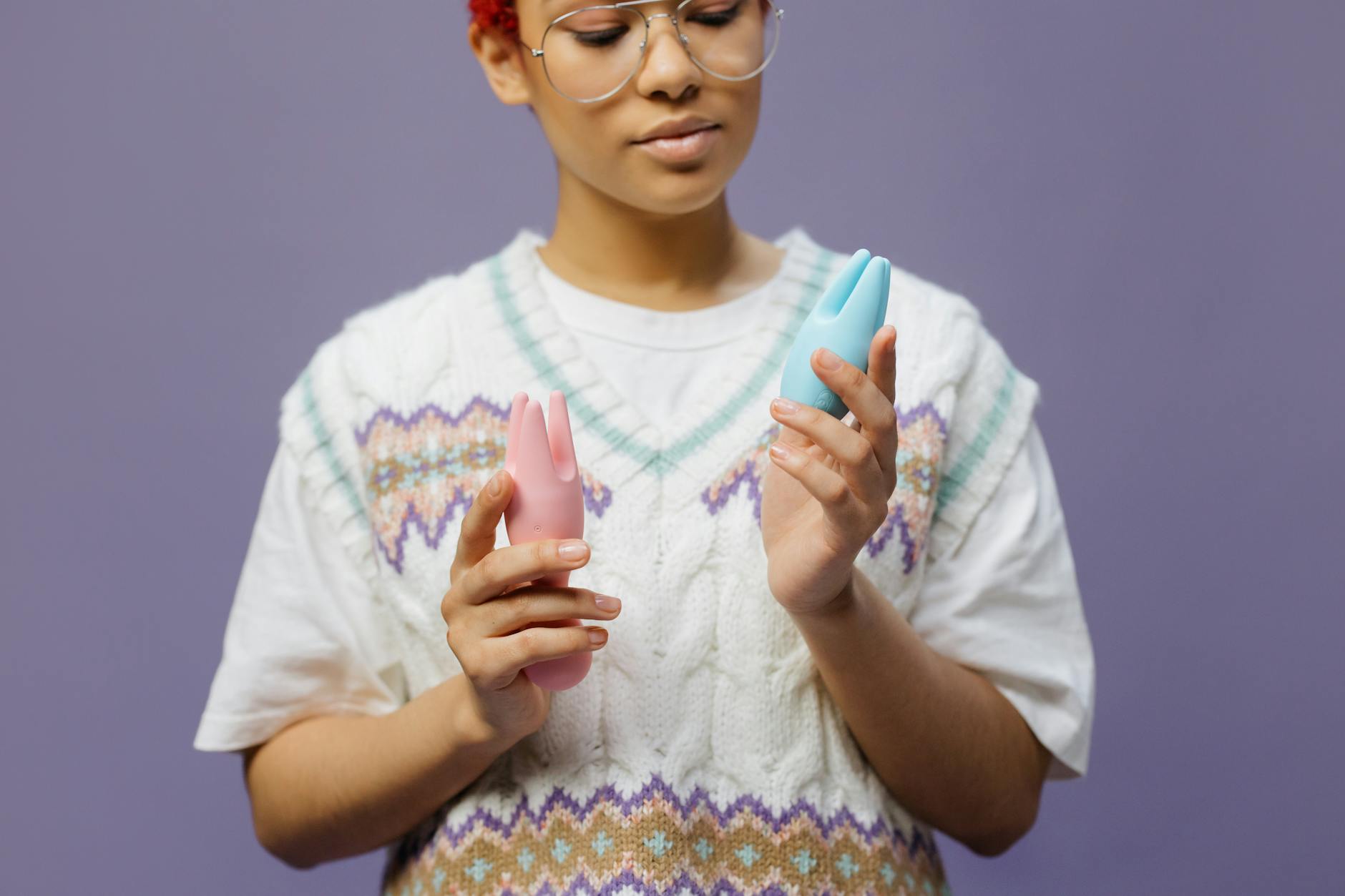
A lemon vibrator is not the same as a standard vibrator. The suction technology doesn't rely on direct pressure or friction. It creates a gentle rhythmic pulse that stimulates the clitoral nerve endings without requiring your body to do much work. This matters after stress because your nervous system needs something that feels easy, not demanding.
When you're numb, a traditional vibrator often feels like nothing. Pointless. That one failure reinforces the thought: "I'm broken." A clitoral suction vibrator like the Lem works differently. The sensation is cleaner, more distinct. Many people who felt nothing with conventional tools report that they can feel a lemon vibrator. That shift is huge. It tells your nervous system: sensation is possible. Which rewires the belief that you're stuck.
If you're coming out of a period of high stress or trauma, don't start with intercourse or partnered play. Start alone, in a space where you feel safe and won't be interrupted.
Pick a low-pressure time. Not when you're exhausted. Not when you're still thinking about work or crisis. Early afternoon is often better than late night. Your brain needs to be somewhat present, even if it feels distant.
Set a timer for 10 minutes. This sounds short. That's intentional. Your nervous system is still in protection mode. Giving yourself permission to stop at 10 minutes removes the pressure to "finish" or achieve anything. The goal is sensation, not orgasm.
Use lubricant. Even if you're not dry, lubrication signals to your body: this is play, not clinical. It also reduces friction on tissue that's been desensitized by stress. Water-based works best with silicone toys.
Start on the lowest setting. With a lemon vibrator on setting 1, you're getting rhythm without intensity. Sensitivity returns in layers. You might feel nothing the first session. That's okay. You're reintroducing possibility.
Once you've had a few sessions where sensation is present, gradually extend the time to 15, then 20 minutes. You're not chasing orgasm yet. You're teaching your nervous system: this touch is safe, and my body can feel it.
Notice what's actually happening in your body. Not what should happen. Are you feeling warmth? A subtle pulse of sensation? Pressure that feels good versus pressure that feels numb? This observation is the work. Your brain is literally rewiring the signal pathway back to pleasure.
If you hit a wall around week two or three, that's normal. Stress recovery isn't linear. Your nervous system might suddenly feel unsafe again. Numbness might return. This doesn't mean you've failed. It means you need to drop the intensity again and sit with lower-pressure stimulation. There's no timeline here.
If you have a partner and want to reintegrate them, do that conversation separately from the physical work you're doing alone. Tell them: "I'm rewaking sensation in my body. That's what I'm working on right now. I need space to do that solo before we add anything else." A partner who understands what you're doing can be huge. A partner who turns it into pressure won't help.
When you do invite partnered touch, that conversation matters. How to use a lemon vibrator with your partner covers the specifics of integrating this into intimacy, but the foundation is: no expectation of arousal or orgasm. Just sensation, together.
By week four or five, most people report the numbness starting to lift. Not because anything magical happened, but because you've shown your nervous system: this is safe. Sensation starts returning on its own, even outside of the tool.
You might notice you're more interested in touch. Or that sensation that felt mechanical now feels pleasurable. Your body is believing again that pleasure is possible.
Orgasm might come back easily, or it might take longer. Some people find their orgasm feels different after high stress. Quieter. More internal. Less explosive. That's fine. That's your nervous system finding its own baseline again, not broken. When you've been in survival mode, the body sometimes rewires pleasure in subtler ways.
This matters. If you're numb, you can't feel stimulation even though physically the hardware is there. Numbness responds to the approach I'm describing: gentle, pressure-free reintroduction to sensation.
If your libido is low, you don't want sex, but you can feel touch when it happens. This is different neurologically and often needs a different approach. If you're uncertain which you're dealing with, that's worth exploring with a therapist, because the cause might be trauma, depression, hormonal, or all three. A lemon vibrator can be part of the solution, but it's not the whole picture.
If numbness persists beyond six weeks, or if you start using the vibrator and feel panic or flashbacks, that's a signal to work with a trauma-informed therapist alongside the physical work. Some stress and grief settle with time and gentle touch. Trauma often needs clinical support.
Also: if you notice that you're using the vibrator compulsively or as a way to avoid processing your feelings, pause. A lemon vibrator is a tool for reconnection, not avoidance. The goal is to help your nervous system feel safe enough to feel again, not to escape feeling.
Typically, people report noticing some shift in weeks two to four. But full sensation recovery often takes two to three months. This varies wildly depending on the intensity of the stress and whether you have ongoing support. The timeline matters less than the direction. If sensation is returning incrementally, you're moving in the right direction.
Yes, absolutely. Some antidepressants do reduce sexual sensation as a side effect, but that's different from stress-induced numbness. If you're on medication that's affecting sensation, talk with your prescriber about whether timing or dose adjustment is an option. In the meantime, a lemon clitoral vibrator can still help rebuild the neural pathways for pleasure.
This usually means your nervous system is still in protection mode and needs more time. Going higher usually doesn't help. Instead, pause for a few days and try again. Also check: are you warm? Hydrated? Do you have privacy and time? Sometimes numbness is actually just an environment where your nervous system doesn't feel safe. Fix the environment first.
Yery normal. As your nervous system starts to feel safe, emotions often surface. You might cry, feel vulnerable, or suddenly feel angry. This is your system releasing stress it's been holding. Let it happen. It's part of the rewiring.
That depends on your relationship and what you're comfortable with. If you have a partner and want to eventually reintegrate them into intimacy, transparency is usually better than secrecy. You don't owe anyone the details of your solo practice, but if stress has affected your partnership, a conversation about what you're doing and why can help them understand the silence or distance they might be noticing.
Consider talking to a therapist who specializes in trauma or somatic work. Sometimes numbness goes deeper than stress and reaches into dissociation or complex trauma patterns that need professional support. A lemon vibrator is a great tool, but it's not a substitute for that work.
Your nervous system learned that sensation meant danger. That was smart when you were in crisis. Now that the crisis has passed, you're teaching it that sensation is safe again. A lemon vibrator, with its gentle rhythmic suction technology, is one of the most effective tools for that retraining. It works not because it's magic, but because it creates sensation that's distinct and pressure-free. Your body can feel it. And feeling anything, after numbness, is the beginning of coming back.
You're not broken. You're recovering. And that matters.