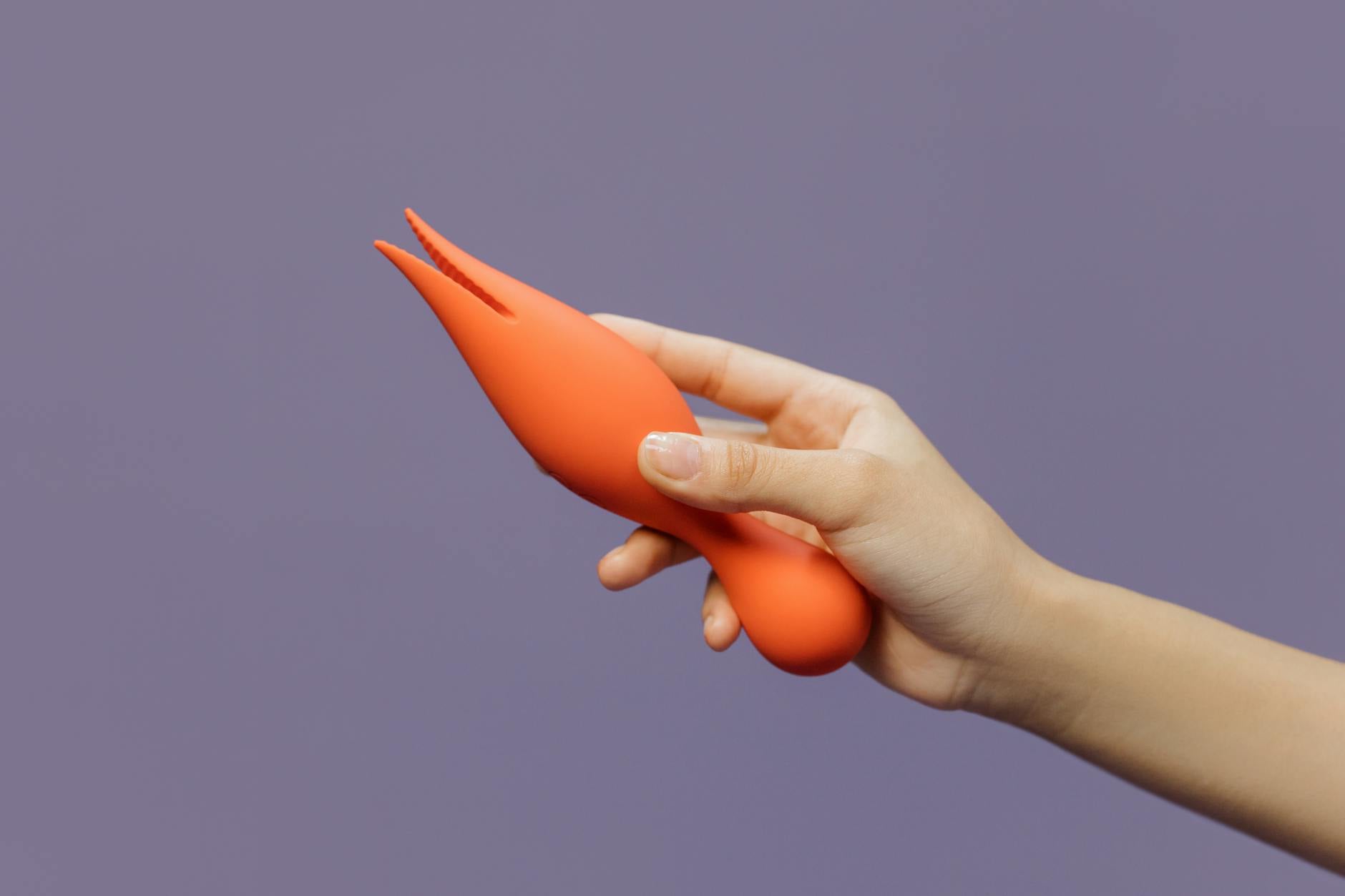
Why Lemon Vibrators Feel Weaker With Certain Medications and What Helps
Some medications genuinely blunt sensation and arousal. Here's what's happening in your body, which prescriptions are the biggest culprits, and how lemon clitoral vibrators can rebuild pleasure when medications have dampened it.
You're using a lemon vibrator, the same one that's worked beautifully for months, and suddenly it feels like you're holding a dead phone. Not broken. Not less interested. Just... muted. Like someone turned down the volume on your nervous system. If you started a new medication recently, or switched doses, this isn't in your head. It's real, it's common, and it's fixable.
Here's the truth nobody explains clearly: certain medications don't just affect your mood or energy. They directly interfere with the physical machinery of pleasure. Blood flow, nerve sensitivity, natural lubrication, arousal speed. When you understand which meds do what and why, you can actually work around it instead of blaming yourself.
Your nervous system has two modes: sympathetic (fight-or-flight) and parasympathetic (rest-and-digest). Arousal lives almost entirely in parasympathetic mode. Blood rushes where it needs to go, nerves wake up, muscles relax. Orgasm is basically a controlled burst of both systems firing at once.
Many medications were literally designed to dial down your nervous system. They're doing exactly what they're supposed to do. The problem is they don't discriminate. They calm you down everywhere, including the places where you want to be very much awake.
Then there's the chemical side. Some meds interfere with dopamine and serotonin, which drive desire and arousal. Others change how your body responds to touch at the nerve level. A few affect blood vessel dilation, which means less blood flow to sensitive tissue.
The result: a lemon vibrator that used to bring you there in minutes now barely registers. It's frustrating, but it's not permanent, and it's not your fault.
Selective serotonin reuptake inhibitors like sertraline, paroxetine, and fluoxetine are the most common offenders. They're also incredibly valuable for anxiety, depression, OCD, and panic. The tradeoff is real though. Roughly 40-60% of people on SSRIs report some form of sexual dysfunction, from decreased desire to difficulty reaching orgasm to reduced sensation.
SNRIs (venlafaxine, duloxetine) do the same thing, sometimes worse. Bupropion is the notable exception. It works differently and often doesn't cause these side effects, which is why some people switch to it specifically.
How it happens: SSRIs raise serotonin, which is great for mood. But excess serotonin suppresses dopamine, which is essential for desire and pleasure. They also increase prolactin in some people, which directly reduces libido and genital sensation.
These are prescribed for hypertension, migraines, and anxiety. Propranolol, atenolol, and metoprolol work by restricting blood vessel dilation. That same mechanism that keeps your blood pressure controlled also makes it harder for blood to reach genital tissue. Less blood flow means less engorgement, less sensitivity, and yes, weaker response to a lemon clitoral vibrator.
Pseudoephedrine, diphenhydramine, and their relatives dry out mucous membranes everywhere. That includes your genital tissue. Less natural lubrication means more friction, which feels different with any toy, and desensitization over time because friction is uncomfortable.
Antihistamines also have anticholinergic effects, which suppress nervous system firing. Double hit to sensation.
Some forms of hormonal birth control, especially those with higher progestin ratios, can genuinely reduce sensation and arousal. Your testosterone drops on hormonal contraception. Testosterone is not a male hormone. People with ovaries produce it, and it's a major driver of pleasure and genital sensation. If it drops below your personal baseline, pleasure diminishes.
Mini-pills, hormonal IUDs, and traditional birth control pills have different profiles. Some people find one formulation works better than another for this exact reason.
Quetiapine, olanzapine, lithium. These are heavier-hitting drugs for serious conditions, but they carry significant sexual side effects. Lithium especially can reduce desire, delay orgasm, and affect sensation. They're not prescribed lightly, so the benefits usually outweigh the downsides, but acknowledging the cost matters.
Let's say you start an SSRI on Monday. By Thursday, you notice a lemon vibrator that always worked is suddenly less effective. Three things have shifted.
First, your arousal response time has slowed. You need 20-30 minutes of mental and physical stimulation before anything registers, instead of 5-10. This feels like numbness but it's actually just a longer ramp-up.
Second, your genital blood flow has decreased slightly. The tissue is less engorged, which means fewer nerve endings are being stimulated even with the same vibration intensity. A lemon clitoral vibrator is working as hard as before, but your tissue is responding less.
Third, your brain's reward circuitry is dampened. Even if sensation builds, the pleasure signal reaching your brain is muted. It's like turning down the volume on an already quiet song.
The good news: this is dose-dependent and time-dependent. Many people adjust within 4-6 weeks. Some never experience this side effect at all. And if you do, there are concrete fixes that actually work.
If arousal takes longer on medication, don't fight it. Budget 20-30 minutes for exploration instead of rushing. This isn't a sign of dysfunction. It's just the new timeline. Start with non-genital touch, mental arousal, fantasy, or partner connection before moving to a lemon vibrator.
Many people find that once they stop expecting instant response, pleasure actually returns. The pressure to perform quickly was making it worse anyway.
If your medication dulls sensation, a standard vibration might not cut through. Lemon vibrators offer multiple patterns. Pulsing, waves, and escalating rhythms sometimes work better than constant buzzing when sensitivity is reduced. Experiment with patterns 3-5 instead of the default.
The variation itself can stimulate nerves that constant vibration misses.
Combine your lemon clitoral vibrator with a lubricant designed to enhance sensation. Warming lubes, cooling lubes, or thick silicone-based lubes (if you're using a toy that can handle them) change the physical input without changing the medication.
Also try different pressure. Light touch often works better when sensation is dampened because it removes the distraction of discomfort from pressure.
If sexual dysfunction is genuinely disrupting your life, your doctor needs to know. This isn't complaining. It's data. Options include:
Lowering the dose (if your condition permits). Adding a second medication that counteracts sexual side effects. Timing your dose differently (taking it at night instead of morning sometimes helps). Switching to a different medication in the same class. Bupropion is famous for not causing these side effects if you're on an SSRI.
Some people are on multiple medications that compound the problem. A blood pressure med plus an SSRI plus an antihistamine for allergies creates a triple hit. If you have a good relationship with your doctor, ask them to review your full medication list for sexual side effects. Sometimes a small change elsewhere solves the problem.
Don't stop taking prescribed medication to improve sensation. The mental health or physical health benefit usually far outweighs the cost. Don't assume you're broken or that pleasure is gone forever. Don't compare your timeline to someone else's. Some people have no sexual side effects from the same medication. Your body is not wrong if yours shows them.
Don't accept mysterious numbness without investigating cause. It might be medication. It might be relationship stress, hormonal changes, or even deconditioning from months of depression. Investigation helps.
Most people report that after 6-12 weeks, sensation returns somewhat even while staying on the same medication. Your nervous system adapts. Your expectations reset. And suddenly that lemon vibrator works again, sometimes better than before because you're no longer white-knuckling for it to happen.
If it doesn't come back, or if it's truly affecting your quality of life, that conversation with your prescriber is urgent. You deserve pleasure and you deserve mental health support. Those aren't mutually exclusive, even if it takes some troubleshooting to find the balance.
Yes and no. A more intense vibrator might work temporarily, but it's solving the symptom, not the problem. If you bump up to a stronger toy, you're escalating the intensity needed. That's not sustainable. Better to understand what's causing the dulling and address it directly. Sometimes a different vibration pattern helps more than raw power.
It varies wildly. Some people adjust within 2-3 weeks. Others take 2-3 months. A small percentage don't adjust and need to switch medications. Most people in the middle see improvement by week 8-10. The key is not assuming it's permanent too quickly.
Sometimes. Doctors sometimes add low-dose buproprion or buspirone to counteract SSRI sexual side effects. Some add sildenafil. These are all prescription decisions that require your doctor's input. Don't self-medicate, but do ask if options exist.
No. Sertraline and paroxetine are notorious. Fluoxetine less so. Escitalopram somewhere in the middle. And bupropion often doesn't cause them at all. If you're struggling on one SSRI, mentioning this to your doctor might lead to a switch that works better for your body.
Then you're both experiencing slowed arousal and reduced sensation. This is actually an opportunity. How to use lemon vibrators for better orgasms with partners speaks to this. Longer foreplay, different toys, and removing pressure to perform quickly often help couples navigate medication side effects together.
Medication dampening pleasure is real, frustrating, and temporary in most cases. Your lemon vibrator isn't broken. Your body isn't broken. Your medication is doing its job, just not perfectly. Understanding the mechanism, adjusting your expectations, and having conversations with your prescriber usually gets you back to pleasure. If it doesn't, there are options. You don't have to choose between mental health and physical pleasure, even if it takes some troubleshooting to find the balance that works for you.